
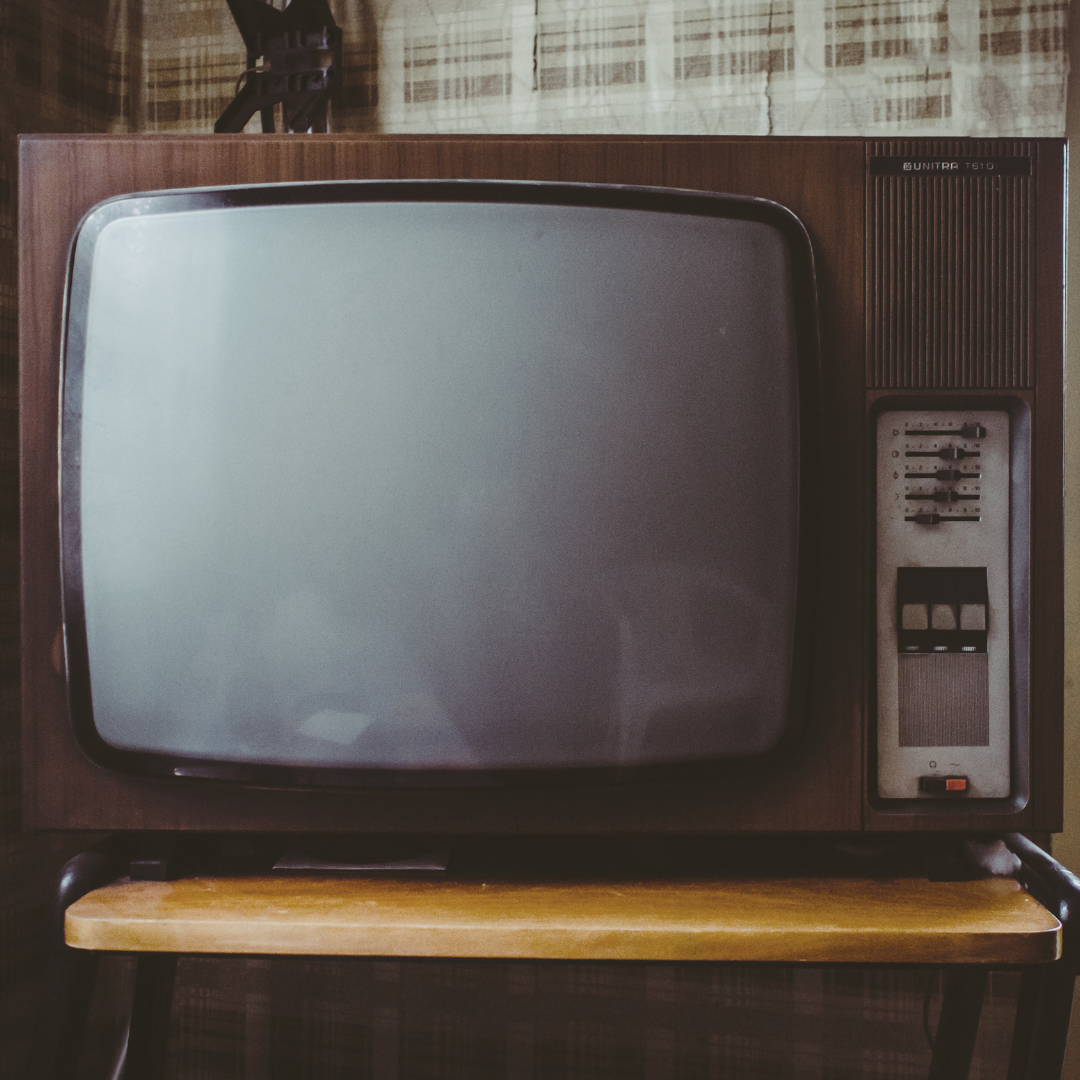
Sitting on our couches, flipping through channels, or binge-watching shows online, it’s easy to forget how far television has come. From its humble beginnings as a black-and-white broadcast signal to the rise of cable TV and streaming services, the evolution of traditional TV has been nothing short of incredible. In this blog post, we’ll look at how technology and consumer demands have transformed how we watch television over the years – from rabbit ears to Netflix and beyond!
The Rise of Broadcast Television
From the early days of radio, you can see how broadcast television grew. In the 1920s, commercial radio stations began to spring up across the United States, providing entertainment and news programming to listeners. In 1926, the first experimental television broadcasts were conducted in Philadelphia. These early broadcasts were limited in scope and reach, but they paved the way for the development of modern television.
In the 1930s, commercial television stations began to launch in major cities nationwide. The first regular network television broadcasts began in 1941, covering President Franklin Roosevelt’s inauguration. These early broadcasts were limited to a few hours daily and only reached a small portion of the population. However, they laid the groundwork for expanding television into a mass medium.
In the 1950s, broadcast television underwent a rapid expansion. New technologies such as color TV and satellite dishes increased broadcasters’ reach, while new programming genres such as sitcoms and game shows captivated audiences. By the end of the decade, nearly every home in America had a television set.
The rise of broadcast television transformed American culture in profound ways. It brought news and entertainment into people’s homes and created shared experiences that could be enjoyed by families and friends alike. It also profoundly impacted politics, as candidates increasingly used TV to reach voters directly. And it spurred economic growth as businesses invested heavily in advertising on TV. The rise of broadcast television was a pivotal moment in American history.
Today, broadcast television remains an essential part of our culture. While streaming services and other digital platforms are now competing for viewers’ attention, traditional broadcasters still have a place in the media landscape. Despite the changes in television over the years, its fundamental appeal-bringing people together to share stories and experiences-remains as strongly as ever.
The Rise of Cable Television
Through radio frequency (RF) signals sent through coaxial cables or, in newer systems, through light pulses sent through fiber-optic cables, cable TV shows are sent to viewers. This is different from broadcast television (also called terrestrial television), in which the TV signal is sent over the air by radio waves and received by an antenna attached to the TV, or satellite television, in which the TV signal is sent by a communications satellite that orbits the Earth and received by a satellite dish on the roof.
These cables may also offer FM radio, high-speed Internet, phone service, and other services unrelated to TV. In the 20th century, analog TV was the norm, but since the 2000s, cable systems have been upgraded to work with digital cable.
A “cable channel,” sometimes called a “cable network,” is a TV network you can get through cable. A “satellite channel” is a TV channel that can be watched through direct broadcast satellite providers like DirecTV and Dish Network and IPTV providers like Verizon FiOS and AT&T U-verse. “Non-broadcast channel” or “programming service” are also used. “Programming service” is mostly used in legal situations. HBO, Cinemax, MTV, Cartoon Network, AXN, E!, Fox Life, Discovery Channel, Canal+, Eurosport, Fox Sports, Disney Channel, Nickelodeon, CNN International, and ESPN are all examples of cable or satellite channels or networks that can be found in many countries.
The rise of cable television is attributed to several factors. Cable television allowed for the transmission of signals from multiple sources that were far away from the location of viewers; this eliminated the need for local broadcasting towers and made it possible for viewers to receive access to more diverse programming. Furthermore, the cost associated with cable television allowed for lower subscription fees compared to traditional broadcast models.
Impact of Technology on Current TV Viewing
In the past few years, technology has changed how people watch TV in a big way. People used to watch TV when they wanted to see their favorite shows. Thanks to DVRs and streaming services like Netflix, people can now watch TV when they want to. This has made people less likely to watch TV the old way since they no longer have to be in front of their TVs to watch their favorite shows.
The impact of technology on TV viewing is wider than scheduling convenience. With the advent of smart TVs and streaming devices, people can now watch whatever they want, whenever they want. This has led to a decline in live TV viewing as people increasingly choose to watch recorded or streamed content over live programming.
Technology’s effect on TV viewing is evident in live versus recorded or streamed content ratings. According to Nielsen, live ratings have declined by 5% since 2016, while ratings for recorded and streamed content have increased by 7%. This trend is likely to continue as more and more people turn to technological advances for entertainment.
Overall, technology has changed the way people watch TV in a big way. People no longer have to watch their favorite shows in front of their TVs. Instead, they can use streaming services to watch a wide range of content. This has caused people to watch less traditional TV and more recorded and streamed content. As technology keeps getting better, this trend is likely to keep going.
The Future of TV
The television landscape constantly evolves, with new technologies and platforms emerging. So what’s next for TV?
Streaming services like Netflix, Hulu, and Amazon Prime Video are becoming increasingly popular. This is one of the biggest changes in the TV business. People are ditching traditional cable packages for these cheaper, more flexible options. Another big trend is the rise of 4K and HDR technology. TVs with these capabilities are becoming more and more affordable, and content providers are starting to produce more and more 4K/HDR content. So this will likely become the new standard for television in the near future.
There’s also a lot of excitement around virtual reality, and VR could eventually become a part of the TV experience. A few VR-compatible TVs are already on the market, and some major broadcasters are experimenting with 360-degree video content. Finally, artificial intelligence is increasingly important in the television industry. AI can be used to recommend content based on user preferences. It can also help broadcasters better understand their viewers and tailor their programming accordingly.
From Broadcast to Streaming and Beyond
From broadcast to cable and beyond, it’s been interesting to see how traditional television has changed. As technology improves, we can expect TV to keep changing in different ways, giving us more choices. Streaming services like Netflix, Hulu, and Amazon Prime Video, as well as live streaming sites like YouTube, give viewers a lot of ways to watch their favorite shows and movies. Traditional TV will be able to do well in a changing world if it adapts to these new technologies.