
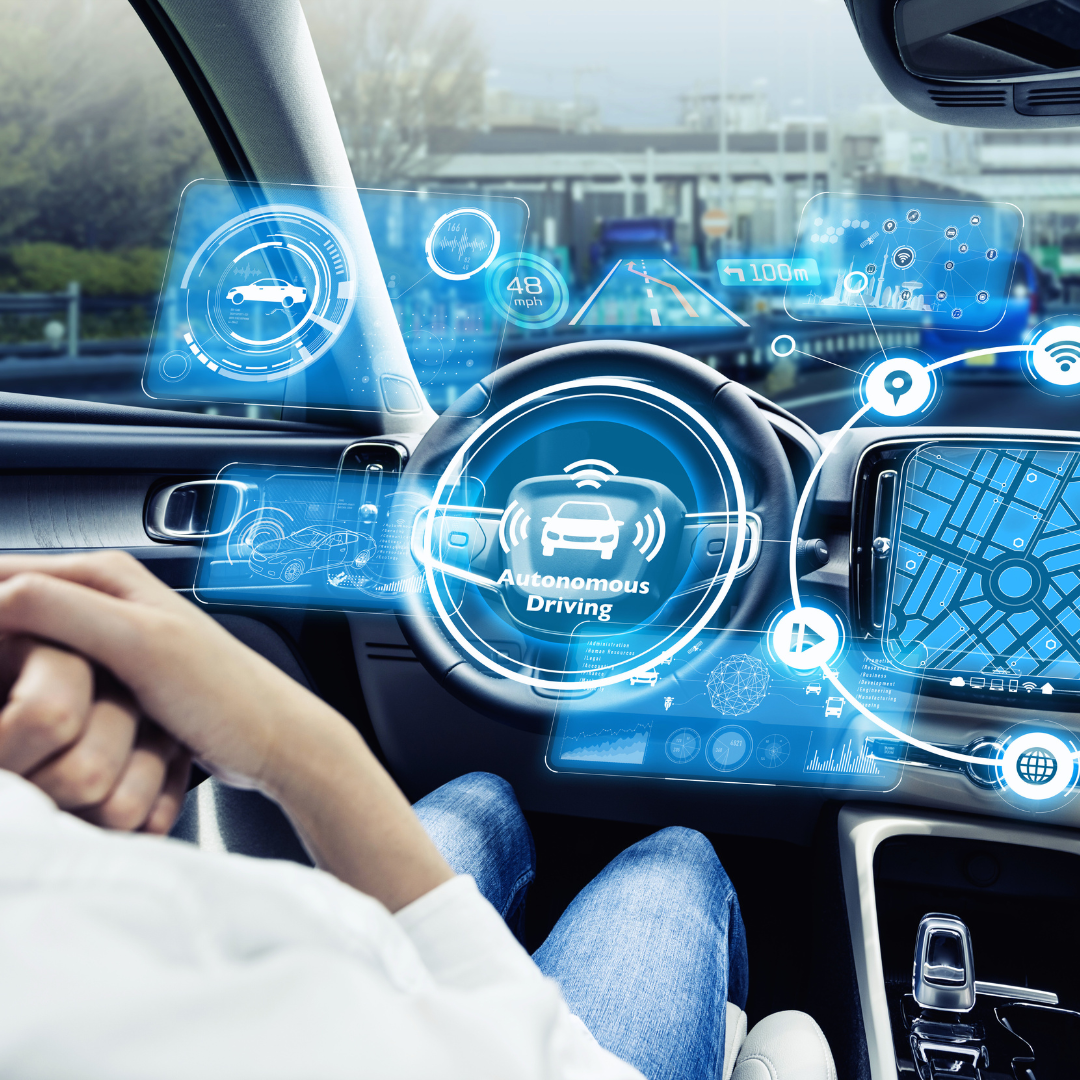
The rapid evolution of autonomous vehicles and transportation technology promises to reshape how people and goods move across the globe. As advancements in artificial intelligence and sensor technology continue to develop, the future of transportation will likely see a significant shift toward safer, more efficient, and environmentally friendly systems. This transformation is not just limited to personal vehicles; it encompasses public transportation, logistics, and urban planning.
In the coming years, the integration of autonomous vehicles into existing infrastructure could enhance the overall efficiency of the transportation industry. Cities may adapt to accommodate these technologies, redefining routes and traffic management to support automated systems. As society gears up to embrace these innovations, understanding the implications for safety, employment, and legislation becomes increasingly important.
Investments in transportation tech and infrastructure will play a vital role in determining how quickly these changes will occur. By examining current trends and technological advancements, it becomes evident that the future is not only about the vehicles themselves but also about the systems surrounding them.
The Evolution and Core Technologies of Autonomous Vehicles
The landscape of autonomous vehicles is shaped by several innovative technologies. Key advancements include artificial intelligence, automated driving systems, and connectivity through IoT technologies, each influencing the development and functionality of these vehicles.
Artificial Intelligence and Machine Learning
Artificial intelligence (AI) is integral to autonomous vehicles, enabling them to interpret vast amounts of data. Machine learning algorithms allow vehicles to learn from real-world experiences, improving decision-making over time.
Key components include:
- Computer Vision: Helps in identifying obstacles, pedestrians, and road signage.
- Sensor Fusion: Combines data from lidar, radar, and cameras for enhanced situational awareness.
This constantly evolving technology makes vehicles more adept at navigating complex environments.
Automated Driving Systems and AV Technology
Automated driving systems (ADS) encompass software and hardware that power autonomous vehicles. This technology has evolved through different levels of automation, from driver-assistance features to fully autonomous driving.
Core elements involve:
- Control Systems: Manage acceleration, braking, and steering.
- Localization: Determines vehicle position using GPS and other sensors.
These systems are increasingly reliable, focusing on safety and efficiency, which are crucial for widespread adoption.
Connectivity and IoT Technologies
Connectivity plays a vital role in the operation of autonomous vehicles. IoT technologies facilitate communication between vehicles and infrastructure, enhancing real-time navigation and traffic management.
Notable features include:
- Vehicle-to-Everything (V2X): Enables vehicles to communicate with other vehicles, pedestrians, and traffic signals.
- Cloud Computing: Supports data processing and storage needs, allowing for remote updates and access to data analytics.
These technologies enhance the overall effectiveness and safety of autonomous transportation solutions.
Leading Companies and Industry Collaborations
The landscape of autonomous vehicles and transportation technology is shaped by various key players and partnerships. Major automakers and technology companies are innovating, while public-private collaborations are paving the way for future advancements, and specialized business models are emerging to provide mobility services.
Major Automakers and Technology Companies
Waymo, a subsidiary of Alphabet, leads in autonomous technology with its extensive testing and data collection. Tesla continues to push boundaries with its Full Self-Driving (FSD) system, integrating advanced software with electric vehicles.
Daimler and Volvo are also significant players, focusing on safety and automation. Daimler’s MBUX infotainment system is designed to enhance the driving experience in semi-autonomous vehicles. Toyota Research Institute invests heavily in AI research to improve vehicle safety and autonomy.
Apple is entering the market with its Project Titan, aiming for innovative in-car experiences that enhance connectivity and safety. Together, these companies are shaping the functionality and safety of driverless vehicles.
Public-Private Partnerships and Collaboration
Public-private partnerships play a crucial role in advancing autonomous vehicle technology. Collaborations between municipalities and tech firms foster infrastructure improvements, such as smart traffic systems. For instance, cities like San Francisco and Phoenix have seen pilot programs that test autonomous shuttles and ride-sharing services.
In addition, government initiatives support research and create testing environments. The partnership between Waymo and various local governments enables real-world trials, balancing regulation and innovation. These collaborations demonstrate how shared goals can facilitate the deployment of future mobility solutions.
Business Models and Emerging Mobility Services
Emerging business models in transportation are increasingly focused on mobility-as-a-service (MaaS). Companies like Uber explore driverless ridesharing options while leveraging existing networks. This model allows for flexibility and convenience, aiming to reduce traffic congestion and emissions.
Fleet management services for autonomous vehicles are also gaining traction. Automakers like Ford and GM are developing platforms to manage fleets efficiently, catering to ride-hailing companies.
These evolving business models indicate a shift towards integrated services that respond to urban mobility challenges. With continuous innovation, the future of transportation could significantly reshape urban living.
Societal Impact and Safety Considerations
The advancement of autonomous vehicles brings significant implications for safety and societal norms. Key areas of focus include the mechanisms for ensuring safety, the effectiveness of regulatory frameworks, and addressing security concerns.
Safety, Reliability, and Reducing Risk
Ensuring the safety and reliability of autonomous vehicles is paramount. Advanced driver assistance systems (ADAS) can help reduce risks by providing features like collision avoidance and lane-keeping assistance. Data shows that these systems can lower traffic accidents by up to 40%.
Continuous monitoring and improvement of algorithms play a critical role in enhancing safety. Real-time data collection helps in understanding performance across varied conditions. Manufacturers must ensure rigorous testing to meet safety standards and address concerns about reliability in unpredictable scenarios. Developing fail-safes can mitigate potential failures during operation, increasing passenger confidence.
Regulatory Frameworks and Public Trust
Establishing regulatory frameworks is essential for the widespread adoption of autonomous vehicles. Clear policies help define safety standards and compliance requirements for manufacturers. These regulations should evolve alongside technological advances to ensure public safety.
Public trust is also a significant factor. Transparent reporting of safety incidents and proactive communication about the capabilities and limitations of these vehicles can foster confidence. Allowing community engagement in the regulatory process could enhance acceptance and address concerns, especially regarding liability in the event of accidents.
Security, Privacy, and Cybersecurity
As vehicles become more connected, security and cybersecurity are critical issues. Autonomous vehicles rely on complex data exchange systems, making them vulnerable to cyber threats. Protecting against unauthorized access is vital to ensure operational integrity and maintain user privacy.
Implementing robust encryption methods and regular software updates can mitigate risks. Manufacturers should prioritize the development of security protocols to safeguard data and maintain public trust. Additionally, clear policies regarding data collection and usage will help address privacy concerns among consumers, ensuring that they feel secure in using autonomous technology.
The Future of Transportation and Environmental Impact
The integration of autonomous vehicles with electric mobility solutions promises to reshape urban environments and lessen their environmental footprint. Next, the evolution of public transportation systems will play a vital role in sustainable mobility, creating efficient transit options that minimize carbon emissions.
Integration with Electric Vehicles and Smart Cities
The future of transportation heavily relies on the integration of autonomous vehicles (AVs) with electric vehicles (EVs) and smart city infrastructure. This synergy can optimize energy consumption and reduce the overall carbon footprint.
EVs generate fewer emissions compared to traditional vehicles, while AVs can improve traffic flow and decrease congestion. Smart city technologies will support this transition by developing infrastructure that prioritizes EV charging stations, connected traffic signals, and real-time data feedback for efficient mobility management.
Role in Public Transportation and Mobility Solutions
Public transportation systems are poised to benefit significantly from the adoption of autonomous technologies. AVs can enhance existing public transit options by providing last-mile connectivity, making public transport more accessible and appealing.
Autonomous buses and shuttles can operate on fixed routes, ensuring reliability. With features such as on-demand service, they can adapt to ridership patterns dynamically. This flexibility encourages more people to use public transit, further reducing reliance on personal vehicles and lowering emissions.
Environmental Benefits and Carbon Footprint Reduction
The environmental benefits of autonomous vehicles are substantial. By operating efficiently and reducing traffic congestion, AVs can lead to decreased fuel consumption and lower greenhouse gas emissions.
Electric autonomous trucks, when integrated into logistics, can further minimize the carbon footprint of freight transport. Transitioning to this model will not only support cleaner air quality but also align with global sustainability goals, combating climate change effectively. As these technologies mature, their combined impact on the environment will be increasingly significant.