
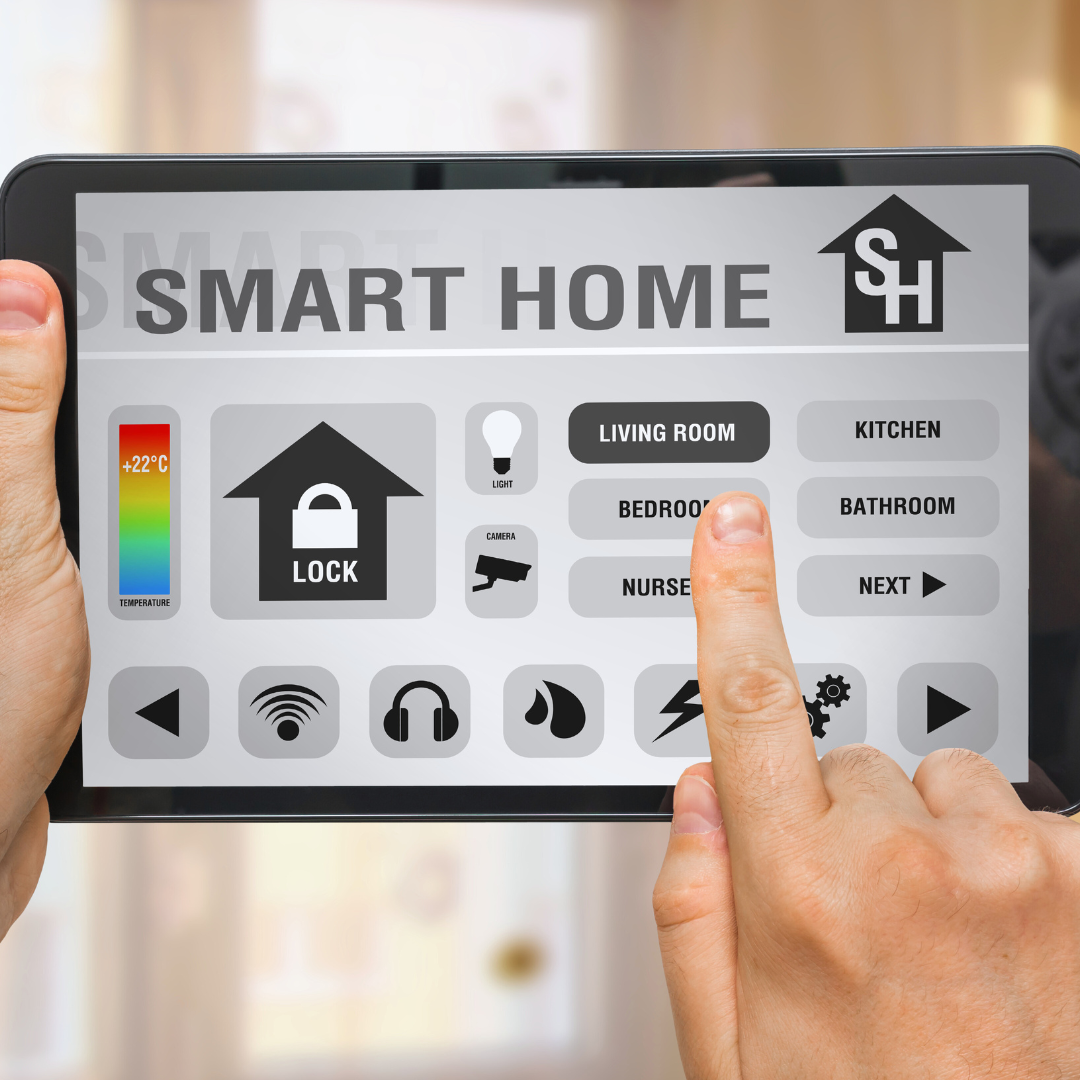
As smart home technology becomes increasingly integrated into daily life, the importance of securing these devices cannot be overstated. With convenience comes vulnerability, and tech-savvy users must take proactive steps to ensure their smart homes remain safe from potential threats. Implementing strong passwords, regularly updating software, and using secure networks are essential strategies that can significantly enhance the security of smart home devices.
Many users may underestimate the risks associated with unsecured devices, which can lead to unauthorized access and control. Knowledgeable users can leverage their expertise to customize security settings and utilize additional safeguards like two-factor authentication and network segmentation. By taking these measures, they can create a robust defense against cyber threats, protecting both their data and personal privacy.
As the demand for smart home gadgets rises, so does the need for individuals to stay informed about potential vulnerabilities. Tech-savvy users are in a prime position to not only protect their homes but also educate others about best practices in digital security. This creates a safer smart home environment for everyone.
Understanding Smart Home Security Fundamentals
Securing smart homes requires awareness of essential components, potential risks, and the balance between ease of use and safety. A solid grasp of these fundamentals can empower homeowners to enhance their home security.
Core Components of a Secure Smart Home
A secure smart home integrates various components to protect against unauthorized access. Key elements include:
- Smart Hub: Acts as the central control system for connected devices, ensuring they communicate securely.
- Secure Wi-Fi Network: A strong password and encryption are vital for preventing unauthorized access to the home network.
- Smart Devices: Include cameras, locks, and alarms that are regularly updated to patch vulnerabilities.
Each device should support strong authentication methods to keep it protected. Homeowners must ensure compatibility among devices to maintain an effective security ecosystem.
Risks and Vulnerabilities of Connected Devices
Connected devices introduce unique vulnerabilities that can compromise smart home security. Common issues include:
- Weak Passwords: Many users neglect to change default passwords, making devices easy targets.
- Unpatched Software: Outdated firmware can exploit known vulnerabilities, allowing hackers access to personal data.
- Insecure Connections: Devices using unencrypted communication can be intercepted.
Homeowners must remain vigilant regarding device updates and monitor any unusual activity within their home network to identify threats quickly.
Balancing Convenience and Security
While automation enhances convenience, it can inadvertently weaken security. Homeowners should consider the following strategies:
- Limit Access: Restrict the number of devices with remote access to reduce potential entry points for cyber-attacks.
- Enable Two-Factor Authentication: Adding an extra layer of security can significantly decrease the likelihood of unauthorized access.
- Regular Security Audits: Periodically review device settings and permissions to ensure compliance with security best practices.
By prioritizing security alongside convenience, homeowners can enjoy the benefits of smart home technology without compromising their safety.
Essential Steps to Safeguard Smart Home Devices
Addressing the security of smart home devices involves several vital steps. Focusing on secure Wi-Fi networks, strong password management, and keeping devices updated are key elements to ensure protection against potential threats.
Securing Wi-Fi Networks and Routers
A strong Wi-Fi network is crucial for protecting smart home devices. Users should immediately change the default login credentials for routers and enable WPA3 encryption if available. This step helps in preventing unauthorized access.
Place the router in a central location and consider using a guest network for visitors. This keeps smart home devices separate from other devices connected to the main network, enhancing privacy.
Regular monitoring of connected devices is essential. By checking linked devices, unauthorized access can be identified quickly. Many routers offer real-time alerts for new connections, ensuring swift responses to potential breaches.
Implementing Strong Passwords and Privacy Settings
Using strong, unique passwords for each device enhances security significantly. Combining uppercase letters, lowercase letters, numbers, and special characters creates more secure passwords. A password manager can help in generating and storing complex passwords.
Additionally, enabling two-factor authentication (2FA) wherever possible adds another layer of protection. This requires a second form of verification, reducing the risk of unauthorized access even if a password is compromised.
Regularly reviewing privacy settings ensures that users control what data is shared. Many smart home devices collect data that may expose personal information. Adjusting settings to limit data sharing protects privacy.
Device Updates and Firmware Management
Keeping devices updated is crucial for security. Manufacturers often release firmware updates to patch vulnerabilities. Users should enable automatic updates if available or regularly check for updates manually.
A home security system, including smart locks and video doorbells, requires consistent updates to function optimally. Outdated firmware can leave devices vulnerable to exploitation. Maintaining the latest software is essential for real-time alerts on potential security threats.
Scheduling regular checks for updates can streamline this process. Users should not overlook minor devices like motion sensors, as all components of a system contribute to overall security. Ensuring every device is up to date minimizes the risk of data breaches or unauthorized access.
Optimizing Integration and Automation Safely
Effective integration and automation in a smart home enhance convenience and improve security. Prioritizing compatibility among devices and establishing clear automation rules are essential for a robust setup.
Trusted Platforms and Ecosystem Compatibility
When setting up smart home devices, selecting trusted platforms such as Amazon Alexa or Google Assistant is crucial. These platforms support a range of devices, ensuring compatibility.
Devices should operate within the same ecosystem to minimize vulnerabilities. This alignment enhances communication and can prevent security gaps that may arise from interoperable systems.
Before purchasing any smart device, verify its compatibility with existing automation systems. Ensuring devices work together seamlessly reduces the risk of installation issues and potential security breaches.
Automation Rules to Enhance Security
Creating effective automation rules can significantly strengthen home security. For instance, setting a routine to enable security cameras when the house is empty can deter potential intruders.
Automation can also include timed lighting systems that simulate activity when the homeowner is away. This creates an illusion of occupancy, increasing safety.
Using AI and machine learning, smarter systems can learn behaviors and adapt commands based on usage patterns. By doing so, the devices offer both convenience and heightened security.
Managing Access and Voice Commands
Controlling access to smart home systems is vital for security. Users should regularly update passwords and disable any unnecessary guest accounts that may provide access.
Voice commands, particularly through smart speakers, should be protected. Users can limit voice recognition to specific commands or employ additional authentication measures.
It’s also advisable to review voice assistant settings frequently. Ensuring that these assistants recognize only familiar users can help prevent unauthorized access to automation systems and devices.
Advanced Security Practices and Future-Proofing
In the realm of smart homes, advanced security practices are crucial for both protection and efficiency. Users can implement comprehensive surveillance solutions while integrating sustainability measures and keeping pace with emerging smart home trends.
24/7 Surveillance and Monitoring Solutions
Continuous surveillance is essential for smart home security. Investing in high-resolution cameras with night vision capabilities can provide clear visibility, even in low-light conditions.
Key features to consider include:
- Remote Access: Allows users to view footage from any location via mobile apps.
- Motion Detection: Sends alerts when unexpected movement is detected.
- Cloud Storage: Ensures footage is safely stored offsite, protecting it from theft or damage.
With these features, users can enhance security and gain peace of mind, knowing their homes are monitored around the clock.
Enhancing Sustainability and Efficiency Securely
Integrating sustainability into smart homes can also improve energy efficiency. Smart lighting systems reduce unnecessary energy consumption by adjusting brightness based on occupancy.
Energy-efficient appliances are crucial for this strategy.
- Smart Thermostats: Optimize heating and cooling schedules.
- Energy Monitors: Provide insights into energy use, helping identify areas where savings can be made.
This approach not only supports environmental goals but also reduces utility costs, aligning security practices with financial sustainability.
Staying Ahead of Smart Home Trends
Keeping updated with the latest smart home trends is vital. As technology evolves, so do security threats; thus, proactive measures are important.
Users should consider:
- AI-Powered Devices: These can analyze patterns for enhanced security.
- Interoperability: Ensuring devices work together seamlessly improves convenience and comfort.
Staying informed on emerging technologies enables users to make educated decisions, enhancing both security and efficiency in their smart homes.