
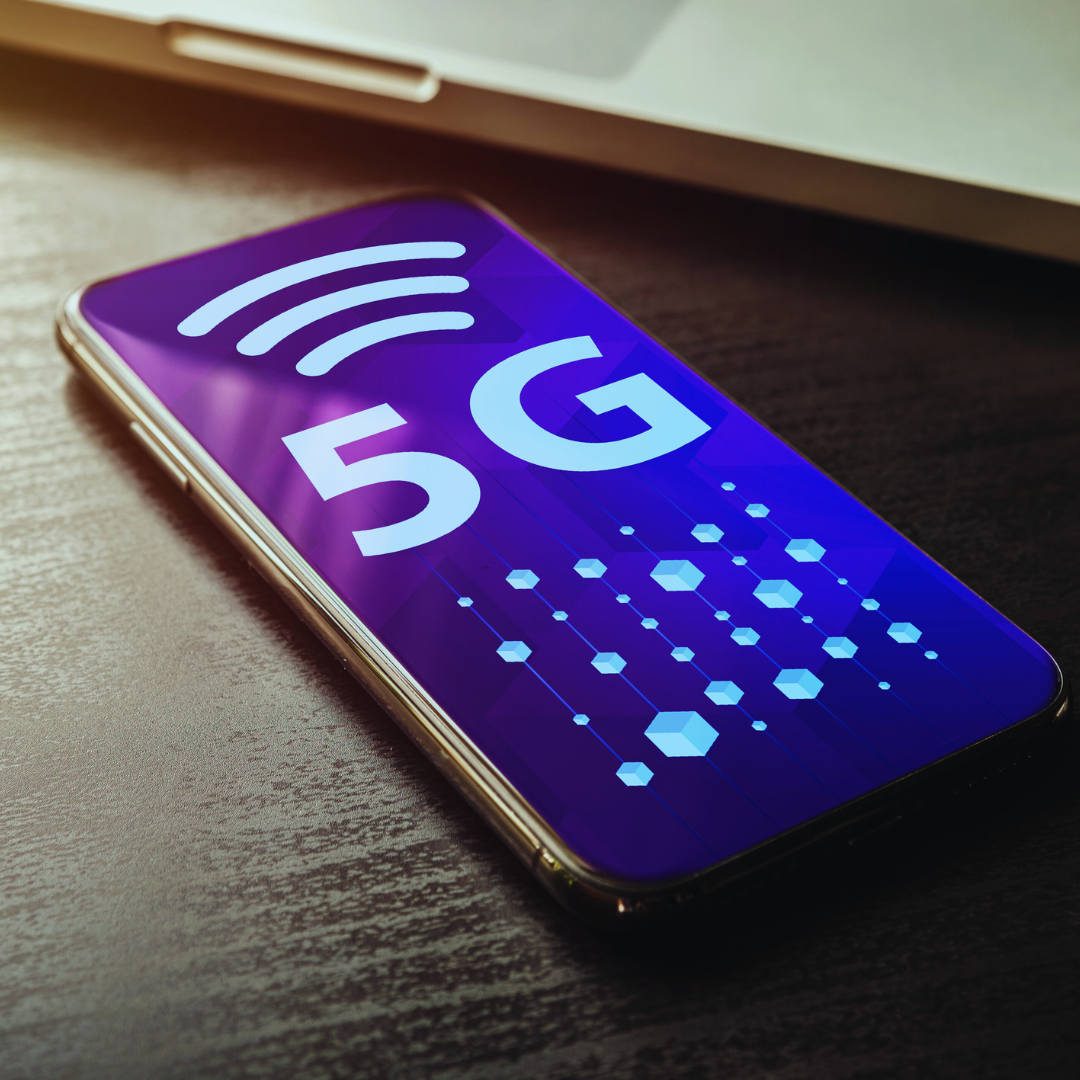
The rollout of 5G technology marks a significant shift in the mobile landscape, influencing both smartphone performance and design. With its promise of faster speeds, lower latency, and improved connectivity, 5G reshapes how users interact with their devices. As a result, smartphones are now being designed not just for efficiency, but also to fully leverage the capabilities that 5G offers.
Manufacturers are compelled to innovate, integrating advanced hardware to support enhanced network features. This has led to new processing chips, improved battery life, and upgraded camera systems, all tailored for a high-speed experience. Moreover, the design of smartphones is evolving to accommodate the necessary technology without compromising aesthetics or user experience.
As consumers demand more from their devices, the impact of 5G is evident in both the specs and the overall user interface. Enhanced streaming, gaming, and augmented reality experiences are becoming standard expectations. The continuous evolution in smartphone technology demonstrates that 5G is not merely an upgrade; it represents a transformation in how devices are engineered and experienced in daily life.
How 5G Technology Transforms Smartphone Performance
5G technology significantly enhances smartphone performance through increased data speeds, lower latency, and improved connectivity. These advancements lead to richer streaming experiences and a transformation in mobile gaming.
Faster Data Speeds and Reduced Latency
5G networks provide dramatically increased data speeds compared to previous generations. Users can experience download speeds exceeding 1 Gbps, enabling quick access to large files and applications.
Reduced latency, often dropping to around 1 millisecond, improves interactions between devices. This means users can send and receive data almost instantaneously, making online communication and real-time applications much more efficient.
Enhanced data rates and latency create a solid foundation for various applications, from video streaming to augmented reality, improving the overall smartphone performance.
Enhanced Streaming and Downloading Capabilities
With 5G technology, streaming high-definition content becomes seamless. Users can enjoy 4K and even 8K video without buffering interruptions, thanks to the high throughput of data.
Downloading large files, such as movies or apps, becomes a matter of seconds rather than minutes. This enhancement is beneficial for users who frequently access streaming services like Netflix or download large games.
Moreover, multiple users on the same network can consume data simultaneously without a decline in quality, ensuring that everyone enjoys a smooth experience.
Revolutionizing Mobile Gaming and Cloud Gaming
5G technology reshapes the mobile gaming landscape, particularly in cloud gaming. Services like Xbox Cloud Gaming and Google Stadia benefit from the minimal latency provided by 5G, allowing users to enjoy console-quality games on their smartphones.
Gamers experience responsive controls and smooth graphics, which are crucial for competitive play. The enhanced speed supports high-resolution graphics and complex game environments seamlessly.
As gamers demand more from their devices, 5G ensures that smartphones meet these expectations, transforming the gaming experience into something more immersive and engaging.
Better User Experience Through Improved Connectivity
The improved connectivity offered by 5G networks enhances the overall user experience. Smartphones can connect to a wider array of devices and services smoothly, facilitating advanced features such as smart home integration.
Users notice minimized lag when streaming content or engaging in video calls, making communications feel more lifelike. Enhanced connectivity also supports a broader spectrum of applications, from IoT devices to seamless interactions in professional settings.
The ability to connect effortlessly opens doors to more advanced uses of smartphones, reinforcing their role as central devices in everyday life.
The Impact of 5G on Smartphone Design and Hardware
The rollout of 5G technology has transformed smartphone design and hardware requirements significantly. Innovations are evident in physical design and critical hardware enhancements needed for optimal functionality with 5G networks.
Innovative Smartphone Design for 5G Integration
5G has influenced smartphone aesthetics and form factors. Manufacturers are implementing new materials and designs to accommodate larger antennas and improved cooling systems.
- Slimmer Designs: Integration of 5G components has led to slimmer designs despite increased functionalities.
- Material Choices: Use of advanced materials, such as aluminum and composite plastics, helps balance durability with weight.
These changes ensure that smartphones remain comfortable to hold while providing the necessary technological advancements for 5G connectivity.
Advances in Energy Efficiency and Battery Life
5G technology demands more energy than previous generations, necessitating innovations in energy efficiency. Manufacturers are focusing on optimizing battery performance while ensuring longevity.
- Smart Battery Management: Advanced algorithms improve energy usage, extending battery life even under heavy 5G usage.
- Enhanced Battery Materials: New lithium-ion technologies are being developed to support faster charging without overheating.
This focus on energy efficiency is crucial as users expect prolonged usage with faster data speeds.
Hardware Requirements for Optimal 5G Performance
Smartphones now require specific hardware upgrades to function optimally with 5G. Key components include:
- Massive MIMO Technology: Utilizing multiple antennas allows for better signal strength and capacity. This is central to leveraging 5G’s full potential.
- Advanced Chipsets: New processors are designed to manage the increased data throughput efficiently.
These hardware advancements ensure that smartphones can support the bandwidth requirements of 5G without compromising performance or user experience.
Expanding Capabilities: 5G, App Development, and Smart Ecosystems
5G technology significantly enhances app development and promotes the growth of smart ecosystems. With its high-speed connectivity, the potential for real-time applications and increased interaction among devices reaches new heights.
Facilitating Growth of the Internet of Things
5G enables a vast array of devices to connect with minimal latency, accelerating the growth of the Internet of Things (IoT). Smart cities benefit from this increased connectivity by integrating systems like traffic management and energy distribution.
With billions of devices expected to be connected, 5G allows for improved data collection and analysis. This data-driven approach enhances urban planning and the efficiency of public services, making environments both more responsive and sustainable.
Enabling Advanced App Development and Real-Time Applications
5G’s high bandwidth fosters advanced app development, paving the way for more sophisticated applications. Developers can now create real-time applications that require instantaneous data processing, benefiting sectors like telemedicine and finance.
Real-time consultations powered by 5G allow for immediate assistance and service delivery. This capability revolutionizes industries by improving customer experiences and optimizing resource management through efficient communication.
Augmented Reality and Virtual Reality Experiences
With 5G, augmented reality (AR) and virtual reality (VR) applications can achieve higher levels of interactivity. Low latency and increased bandwidth ensure seamless experiences in gaming, training, and education.
Applications using AR and VR can leverage real-time data to provide immersive experiences. For instance, remote training simulations in fields like healthcare and engineering benefit from these technologies, enhancing learning and skill development.
5G ultimately transforms the landscape of app development, promoting innovation and the creation of smart ecosystems across various sectors.