
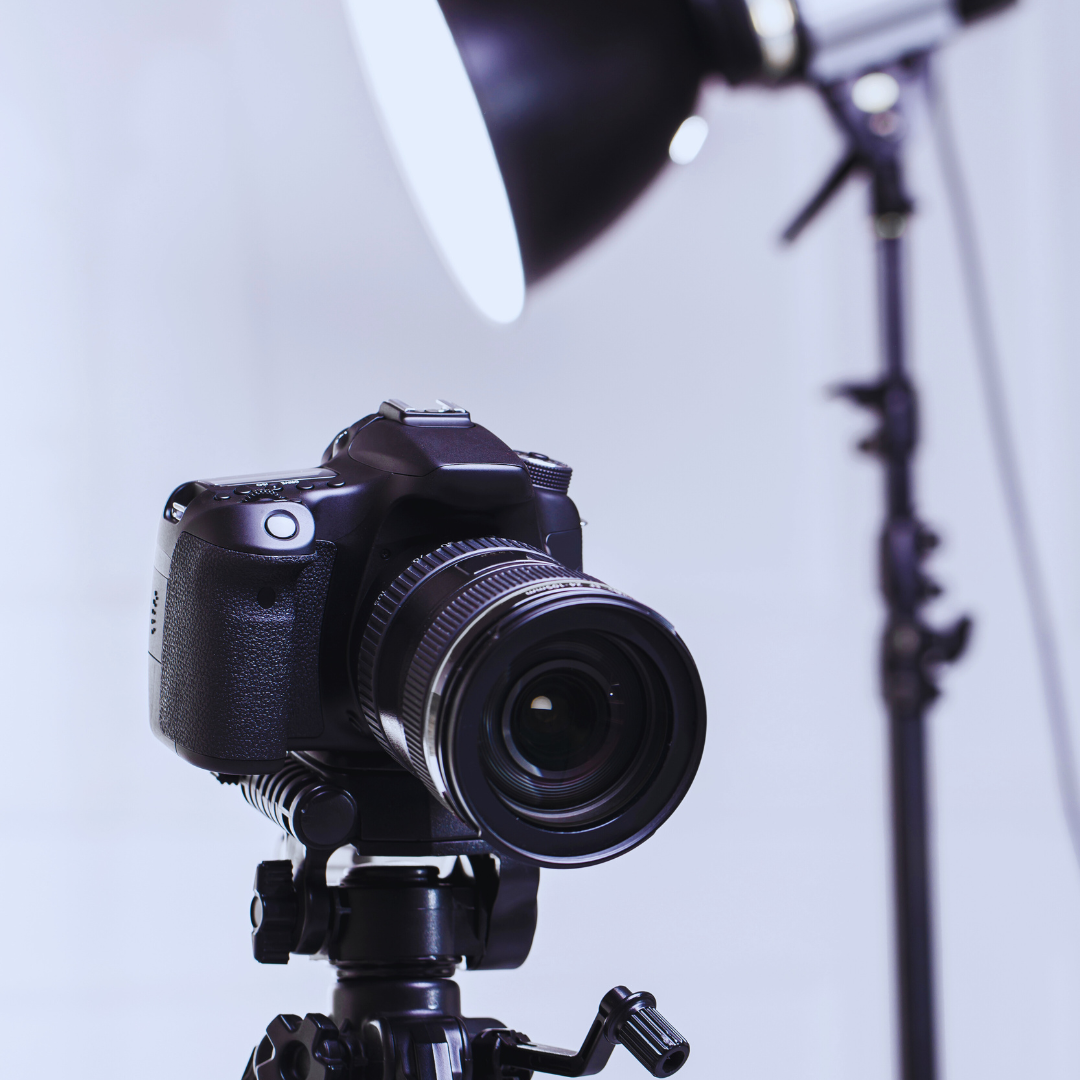
Choosing the right DSLR camera can significantly impact the quality of photography. This review will explore the top DSLR options available in the market, highlighting features, performance, and value for money. Whether a beginner or an experienced photographer, understanding the strengths and weaknesses of various models is essential for making an informed decision.
The landscape of DSLR cameras is diverse, offering something for every type of photographer. From compact, lightweight models to advanced options with extensive feature sets, the choices can be overwhelming. This article will break down the best choices based on critical criteria, allowing readers to find the perfect match for their needs.
With the right information, anyone can elevate their photography skills. Investing in a DSLR camera is not just a financial commitment; it is also an opportunity to enhance creative expression. Different models cater to varying preferences, making it essential for readers to consider their specific requirements as they navigate this exciting journey.
Understanding DSLR Cameras
DSLR cameras are characterized by their unique features, such as optical viewfinders and varying sensor sizes. This section explores the distinctions between DSLR and mirrorless cameras, as well as the types of sensors available and the specific advantages offered by optical viewfinders.
DSLR vs Mirrorless Cameras
DSLR cameras utilize a mirror mechanism to reflect light from the lens into an optical viewfinder. This enables users to see precisely what the lens captures, providing a clear and immediate image. In contrast, mirrorless cameras forgo this mechanism, relying instead on electronic displays.
DSLRs typically offer a wider range of compatible lenses and accessories due to their long-standing presence in the market. They are often preferred by photographers who value the optical viewfinder experience. Mirrorless cameras are usually lighter and more compact, making them appealing for travel.
Sensor Size and Types
Sensor size plays a critical role in image quality. DSLRs commonly feature two main sensor types: full-frame and APS-C.
Full-frame sensors are equivalent to a 35mm film frame, capturing more light and offering better performance in low-light conditions. They deliver high-resolution images and allow for a shallower depth of field, which is desirable for portrait photography.
APS-C sensors are smaller, roughly 1.5x crop factor compared to full-frame. They provide a greater zoom effect due to the crop factor, which can be advantageous for wildlife and sports photography. Both sensor types have distinct advantages and suitability based on specific photography needs.
Optical Viewfinder Advantages
The optical viewfinder is a defining element of DSLR cameras. It uses a prism and mirror system that reflects light directly from the lens. This offers a real-time, lag-free experience, allowing photographers to compose shots seamlessly.
An optical viewfinder also exhibits enhanced clarity and color accuracy compared to electronic displays. It functions well in bright outdoor conditions, where glare can hinder visibility. Photographers often appreciate the ability to see subjects in their natural light without digital processing. This feature is instrumental in capturing spontaneous moments effectively.
Key Features of DSLR Cameras
DSLR cameras stand out due to their advanced image quality, versatile autofocus systems, and robust video capabilities. They also offer impressive battery life and ergonomic designs, making them suitable for various photography needs.
Image Quality and Performance
Image quality in DSLR cameras is influenced by sensor size and resolution. Many DSLRs feature APS-C or full-frame sensors, which excel in capturing detail and dynamic range. A higher megapixel count leads to larger prints and more cropping options.
Performance in low light is crucial for photographers. Cameras with larger sensors typically handle noise better, producing clearer images. Image stabilization further aids in reducing blur, especially during handheld shots. The overall performance during continuous shooting is also noteworthy, allowing for rapid captures of fast-moving subjects.
Autofocus and Speed Capabilities
DSLR cameras utilize sophisticated autofocus systems essential for achieving sharp images. Phase detection autofocus is commonly used, enabling fast and accurate focusing. Many DSLRs offer multiple focus points, allowing users to select the most suitable for their subjects.
Continuous shooting speed ranges from 3 to 10 frames per second in many models. This feature is particularly advantageous for sports and wildlife photography. Fast autofocus ensures that even moving subjects can be captured crisply without delay, making DSLRs reliable for various shooting scenarios.
Video Recording Features
Video capabilities in DSLR cameras have significantly improved, with many models now supporting 4K video recording. This capability allows filmmakers to capture high-resolution footage, essential for professional projects. Full HD (1080p) is also standard across most DSLRs, providing good video quality for casual use.
Additional features like microphone inputs and headphone outputs enhance audio quality during recording. Some models include built-in image stabilization, which smooths video capture, reducing shaky shots. These offerings make DSLR cameras versatile tools for both photography and videography.
Battery Life and Ergonomics
Battery life is a critical factor for photographers and DSLR cameras generally excel in this area. Many models can capture over 800 shots on a single charge, which is advantageous for long shoots. This makes DSLRs reliable for events or travel, where charging options may be limited.
The ergonomic design also plays a vital role in user experience. Many DSLRs have well-placed buttons and comfortable grips, enhancing usability during extended shooting sessions. Weighing these factors ensures that photographers can work efficiently without discomfort.
Top DSLR Models for Photography Enthusiasts
Photography enthusiasts have a variety of DSLR options to consider. The choices vary based on skill level, budget, and specific needs. Below are some top models across different categories that cater to these factors.
Entry-Level DSLRs for Beginners
For beginners, entry-level DSLRs provide an ideal platform to start learning photography. The Canon EOS Rebel SL3 is highly recommended due to its compact size, user-friendly interface, and advanced features.
It boasts a 24.1 MP sensor, Dual Pixel autofocus, and 4K video recording capabilities.
Another excellent option is the Nikon D3500, known for its lightweight design and 24.2 MP sensor.
With a Guide Mode, it assists new users in exploring various shooting techniques. Both cameras deliver quality images while remaining accessible, making them perfect for novice photographers.
Best-In-Class Full-Frame DSLRs
For those seeking full-frame options, the Nikon D780 and Nikon D850 stand out. The D780 offers a versatile feature set, including a 24.5 MP sensor, excellent low-light performance, and capabilities for both stills and video.
It also features a tilting touchscreen and robust battery life, appealing to various shooting styles.
The Nikon D850 raises the bar with a 45.7 MP sensor, delivering stunning detail and dynamic range.
It excels in fast-paced shooting environments, making it a top choice for wildlife and sports photographers.
Both cameras combine quality and innovation suited for serious enthusiasts.
Value for Money: Budget DSLRs
Budget-conscious photographers should consider models like the Canon EOS Rebel T8i and Nikon D3500. The T8i comes equipped with a 24.1 MP sensor, 4K video recording, and an intuitive touchscreen.
Its user-friendly design bridges simplicity with advanced features, making it a strong contender in this category.
Meanwhile, the Nikon D3500 offers exceptional value with its 24.2 MP sensor, long battery life, and lightweight build.
These models provide excellent performance without breaking the bank, catering specifically to those entering the photography world or seeking reliable backup cameras.
Additional Considerations When Choosing a DSLR
When selecting a DSLR, important factors include lens options, durability, and availability in the used market. Each consideration plays a crucial role in enhancing the overall photography experience.
Lens Options and Interchangeability
Interchangeable lenses significantly expand creative possibilities. Most DSLRs come with a standard kit lens, but users can choose from a variety of options, such as wide-angle, macro, and telephoto lenses.
Compatibility with lenses can vary by brand and mount type. For instance, Canon and Nikon both offer extensive lens selections, while brands like Sony and Fujifilm might provide fewer options. It’s essential to assess the availability of lenses that suit specific photography needs, as this can affect future purchases and creative flexibility.
Weather-Sealed Bodies and Durability
For outdoor photography, weather-sealed bodies can be a vital feature. These cameras resist moisture and dust, allowing them to perform in challenging conditions.
Durability often means that the camera is constructed with high-quality materials, which can withstand physical impacts. Users should consider both weather sealing and build quality, especially if they plan to shoot in diverse environments. Investing in a robust camera body can prevent damage and extend its lifespan.
DSLRs in the Used Market
The used market offers opportunities for cost-effective purchases. Buying a used DSLR can provide access to higher-end models at a lower price.
When considering a used camera, it’s important to check its condition carefully. Look for signs of wear, shutter count, and functionality. Many retailers and platforms provide warranties for used items, adding an extra layer of reassurance. Exploring this option can yield valuable savings and greater access to quality equipment.