
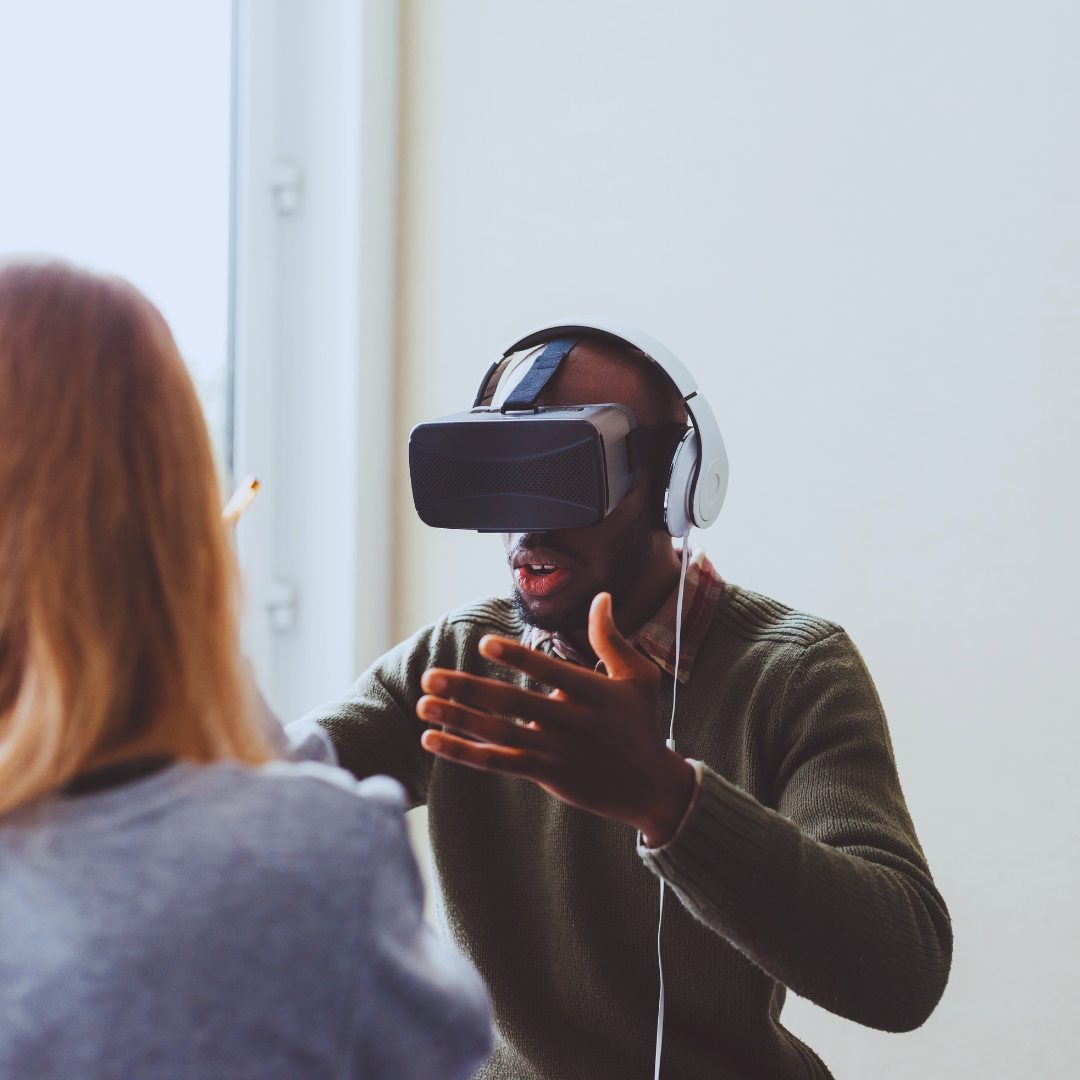
The landscape of virtual reality is poised for significant transformation. Advancements in technology and increased accessibility are set to revolutionize how users interact with virtual environments, enhancing experiences across various sectors. As VR evolves, it is likely to become an integral part of entertainment, education, and even remote work.
Current trends indicate a shift towards more immersive and realistic experiences. Innovations such as improved hardware, haptic feedback, and artificial intelligence are making it possible to create environments that engage users at a deeper emotional level. This evolution changes not just gameplay but also how individuals learn, interact, and perceive reality itself.
Understanding the future of virtual reality involves exploring its potential applications and the challenges it faces. As the boundaries of this technology expand, discussions around safety, ethics, and user experience become increasingly important. The continued growth of VR promises to reshape everyday life in ways that are both exciting and thought-provoking.
Evolution of Virtual Reality
The evolution of virtual reality (VR) encompasses significant historical milestones alongside recent technological advances. This development has led to a convergence with other technologies, greatly enhancing user experiences.
Historical Milestones
The concept of virtual reality dates back to the 1960s. The Sensorama, developed by Morton Heilig in 1962, offered a multi-sensory experience but was not interactive. In 1968, Ivan Sutherland created the first head-mounted display, known as the Sword of Damocles, which provided basic 3D visuals but was limited in functionality due to technology constraints.
The 1990s marked a pivotal time for VR. Companies like SEGA and Nintendo attempted to launch consumer VR systems, but limited processing power and high costs hindered mass adoption. By the early 2000s, VR became a niche technology, primarily used in specific fields such as military training and simulations.
Recent Technological Advances
The resurgence of VR began in the early 2010s with advancements in graphics and processing technology. The launch of the Oculus Rift in 2016 revolutionized the industry by making high-quality VR experiences accessible to consumers.
Current VR systems focus on user comfort and immersion. Features like 6DoF (six degrees of freedom) tracking allow users to move freely within virtual environments. Development in haptic feedback technology enhances the sense of touch, while high-resolution displays improve visual quality, creating realistic experiences.
Convergence with Other Technologies
Virtual reality is increasingly integrating with other technologies, notably augmented reality (AR) and artificial intelligence (AI). This blending creates mixed-reality experiences that combine real-world elements with virtual enhancements.
For instance, applications in education utilize VR to simulate laboratory environments. In healthcare, VR aids in training medical professionals through realistic simulations. Additionally, AI enhances VR by personalizing experiences and improving user interaction, leading to innovative applications in gaming, therapy, and remote collaboration.
This ongoing convergence pushes the boundaries of what VR can achieve, making it a pivotal technology in various fields.
Current State of the Market
The virtual reality market continues to evolve, marked by increasing consumer adoption, expanding enterprise solutions, and improving content availability. These factors contribute significantly to shaping the industry’s present landscape.
Consumer Adoption Rates
Consumer interest in virtual reality has seen substantial growth, driven by advancements in technology and affordability. Data shows that as of 2024, the global VR market is estimated to reach approximately $44 billion, with around 30 million headsets sold in the last year.
Platforms like Meta Quest and PlayStation VR dominate the market share. The rise of social VR applications and gaming experiences has enticed a broader audience, particularly among younger demographics. With more accessible options, users are increasingly willing to invest in VR technology for entertainment and social interaction.
Enterprise Solutions
Enterprise applications of virtual reality are gaining traction across various industries. Sectors such as healthcare, real estate, and training are leveraging VR for improved operational efficiency. This has led to a projected market growth of 25% annually.
Companies utilize VR for simulations and immersive training programs, enhancing workforce readiness. For example, organizations in the medical field employ VR for surgical training, which significantly reduces training time. Furthermore, architectural firms use VR to present projects interactively to clients, streamlining the design process.
Content Availability
The content landscape for virtual reality is expanding rapidly, with a diverse range of offerings available. Streaming platforms and developers are continuously producing new experiences, from games to educational content. As of 2024, over 1,500 VR games and experiences are available across multiple platforms.
Major game publishers are investing heavily in VR-specific titles, which fosters a competitive market. Additionally, educational institutions are integrating VR into their curricula, providing students with immersive learning tools. This expanding library supports broader consumer engagement and strengthens the market’s foundation.
Virtual Reality Hardware
Virtual reality hardware encompasses a range of devices that enable immersive experiences. Key components include headsets, input devices, and technology that enhances interaction within virtual spaces.
Headsets and Input Devices
Modern VR headsets come equipped with various features to enhance user experience. Popular brands like Oculus, HTC Vive, and PlayStation VR offer high-resolution displays, wide field-of-view, and built-in audio systems.
Input devices such as hand controllers and gloves improve natural interaction.
These devices often include:
- Motion sensors for tracking gestures and movements.
- Trackpads for user navigation.
- Thumbsticks for intuitive control.
Wireless headsets are also gaining traction, allowing for more freedom of movement without cumbersome wires.
Wearable Technology
Wearable technology is becoming vital for immersive VR experiences. Devices like VR suits and smart glasses complement headsets by tracking body movements.
Body-tracking suits utilize multiple sensors to provide full-body participation, enhancing realism in virtual environments. Smart glasses can overlay information onto the physical world, expanding the usability of VR in practical applications.
Some advancements include:
- Miniaturized components that ensure comfort and usability.
- Integration with fitness devices to monitor user health during VR sessions.
These innovations can lead to more comprehensive applications in gaming, fitness, and training.
Haptic Feedback Mechanisms
Haptic feedback mechanisms significantly improve the realism of virtual experiences. These systems simulate physical sensations, making interactions more engaging.
Devices such as gloves and vests employ technologies like:
- Vibration motors to replicate touch and impacts.
- Pressure sensors that provide feedback based on user interaction.
The incorporation of these systems allows users to feel textures and resistance within virtual environments. As this technology evolves, it enhances training simulations, gaming experiences, and virtual meetings, bringing a tactile dimension to digital interactions.
Software Development for VR
Software development for virtual reality encompasses various crucial aspects. The effectiveness of VR applications depends on the platforms utilized, the interactivity level, and the principles guiding immersive design.
Platforms and Tools
Selecting the right platforms and tools is essential for VR software development. Popular engines such as Unity and Unreal Engine provide robust resources for creating VR experiences. Both engines support multiple VR hardware, enabling developers to reach a broader audience.
- Unity: Favored for its user-friendly interface and extensive asset store.
- Unreal Engine: Known for its high-fidelity graphics and powerful scripting capabilities.
Developers must also consider hardware compatibility, utilizing SDKs from manufacturers like Oculus and HTC. Understanding the nuances of these tools ensures that developers can create seamless and engaging VR applications that perform well across various devices.
Interactivity and User Experience
Interactivity is a cornerstone of any successful VR experience. Developers should prioritize intuitive controls and user engagement. Effective design encourages natural movements, such as reaching and grasping, making the virtual environment feel more accessible.
Key elements to include are:
- Gesture Recognition: Using hand tracking to facilitate interactive experiences.
- Haptic Feedback: Providing physical sensations that correspond to actions within the VR environment.
User experience design is critical in maintaining immersion. Creating clear navigation and feedback mechanisms helps users feel comfortable and confident while exploring the virtual space.
Immersive Design Principles
Immersive design principles guide the creation of effective VR content. Developers must focus on realism and user immersion, employing techniques that enhance sensory engagement.
Some principles include:
- Spatial Awareness: Leveraging 3D audio to create a believable environment.
- Visual Fidelity: Ensuring graphics accurately represent the virtual world.
Balancing these elements contributes to a convincing experience. Developers should aim to minimize user discomfort and motion sickness by designing short interactions with gradual transitions. This approach fosters an enjoyable and immersive user journey within the VR realm.
Applications of Virtual Reality
Virtual reality has a growing list of practical applications across various industries. This section highlights key areas where VR shows significant potential, including gaming and entertainment, education and training, healthcare and therapy, and architectural and real estate visualization.
Gaming and Entertainment
Virtual reality has transformed the gaming landscape by providing immersive experiences that engage players in new ways. Through VR headsets, users can enter richly detailed 3D environments and interact with characters and settings with unparalleled realism.
Popular titles like Beat Saber and Half-Life: Alyx showcase VR’s potential, captivating audiences with innovative gameplay. In addition to gaming, VR is used for immersive storytelling in films and virtual concerts, allowing users to participate in experiences that blur the line between real and digital worlds.
Education and Training
In education, virtual reality offers interactive learning opportunities that enhance comprehension and retention. Students can explore complex subjects, such as anatomy, astronomy, or history, through immersive simulations.
VR training programs are also becoming popular in various professions. For instance, medical students practice surgical procedures in a risk-free environment, while military personnel use VR for combat training. This hands-on approach fosters better skill acquisition and preparedness for real-world situations.
Healthcare and Therapy
Healthcare professionals are increasingly utilizing virtual reality for therapeutic purposes. VR can help treat conditions like PTSD, anxiety, and phobias by creating controlled environments where patients can confront their fears gradually.
Additionally, VR aids in pain management for patients undergoing medical procedures. Studies have shown that engaging in virtual environments can distract patients, reducing their perception of pain. This application highlights VR’s potential to enhance patient care and improve treatment outcomes.
Architectural and Real Estate Visualization
Architects and real estate professionals use virtual reality to visualize projects before they are built. VR allows stakeholders to walk through designs, assess spatial relationships, and make informed decisions about materials and layouts.
Real estate agents can present properties virtually, offering potential buyers immersive tours without the need for physical visits. This technology not only enhances marketing efforts but also streamlines the decision-making process for clients, creating a more engaging experience.
Challenges and Considerations
The future of virtual reality (VR) presents significant challenges that must be addressed. These include technical limitations, health and safety concerns, and privacy and ethical issues. Each challenge poses unique obstacles that need careful attention for the technology’s growth and user sustainability.
Technical Limitations
VR technology still faces several technical obstacles. High-quality virtual environments require substantial processing power, which may exceed the capabilities of many devices. This results in limited accessibility for average consumers.
Latency issues can cause motion sickness, as delayed responses between real-world actions and VR feedback create a disorienting experience. Moreover, the need for high-resolution displays further exacerbates the issue of hardware compatibility and affordability.
Advancements in graphics and processing capabilities are essential for the widespread acceptance of VR. Real-time rendering, improved field of view, and better motion tracking also remain critical areas for improvement.
Health and Safety Concerns
Health risks in VR environments warrant serious consideration. Prolonged use of VR headsets can lead to eye strain, headaches, and disorientation. Users may also experience physical injuries from navigating their surroundings in immersive experiences.
Children and vulnerable individuals may be at higher risk for these negative effects, making responsible usage crucial. Manufacturers need to provide guidelines for safe usage durations and age recommendations.
Additionally, motion sickness remains a prevalent issue. Various users experience symptoms when transitioning between real and virtual spaces, which can diminish the appeal of VR experiences.
Privacy and Ethical Issues
As VR becomes more integrated into daily life, privacy concerns emerge. VR systems often collect vast amounts of personal data, from biometric information to behavioral patterns. This data raises questions about consent and data security.
Ethical considerations also arise concerning the content consumed within these virtual spaces. There are concerns about exposure to harmful or inappropriate material and the influence of realistic simulations on behavior.
Establishing clear privacy policies and ethical guidelines is essential. Developers must ensure user data is safeguarded while promoting responsible and balanced content creation in VR environments.
Future Technologies and Innovations
The future of virtual reality will be shaped by several pivotal advancements. Innovations in artificial intelligence, sensory immersion enhancements, and next-generation VR platforms are expected to play significant roles in transforming the user experience.
Artificial Intelligence Integration
Artificial intelligence (AI) is set to revolutionize virtual reality by creating more interactive and adaptive environments. AI algorithms can analyze user behavior in real time, tailoring experiences to individual preferences. This personalization fosters deeper engagement and immersion.
Furthermore, AI-driven virtual characters can respond dynamically to user interactions, enhancing realism. As AI tools become more sophisticated, they will also streamline the development process for VR content, reducing costs and time. The integration of natural language processing will enable users to communicate seamlessly with virtual environments. As AI continues to evolve, its impact on VR will expand significantly.
Enhancements in Sensory Immersion
The quest for heightened sensory immersion in virtual reality is driving technological advancements. Innovations such as haptic feedback and olfactory stimulation are gaining traction. Haptic devices provide tactile sensations that mimic touch, enabling users to feel interactions within virtual environments.
Olfactory technology is also emerging, allowing users to experience scents that correspond with virtual settings. This multisensory approach reinforces the realness of VR experiences, making them more impactful. Research into brain-computer interfaces offers the potential for direct sensory stimulation, promising an even deeper level of immersion in the future. Enhanced visual fidelity through higher-resolution displays will further enrich the experience, contributing to the perception of reality.
Next-Generation VR Platforms
Next-generation VR platforms are expected to introduce significant improvements in hardware and software. These platforms aim to offer higher resolutions and wider fields of view, providing crisp visuals that intensify immersion. Additionally, advances in processing power will allow for more complex simulations and expansive environments.
Wireless technology will also enhance freedom of movement, reducing tethering issues associated with current systems. Improved tracking systems, leveraging technologies such as LiDAR, will enable precise spatial mapping. User interfaces will become more intuitive, incorporating voice and gesture recognition seamlessly. Such innovations will broaden applications, from gaming and education to remote collaboration and therapy.
Economic Impact and Market Trends
The economic ramifications of virtual reality are significant, reflecting its rapid evolution and increasing adoption. The investment landscape and projected growth dynamics illustrate a robust market poised for expansion.
Investment Landscape
Investments in virtual reality are gaining traction as businesses recognize its potential. Tech giants and startups are committing billions to develop hardware and software solutions. In 2023, global investments reached approximately $18 billion, up from $12 billion in 2022.
Key investors include companies like Meta, Sony, and HTC, focusing on improving user experiences and expanding application areas. Funding is often directed towards educational, gaming, and healthcare sectors, underlining VR’s versatility.
Investment trends indicate a movement towards cross-platform integration and enhanced immersive experiences. VR developers are also exploring partnerships with existing industries, broadening the scope of investment opportunities.
Projected Growth and Market Dynamics
The virtual reality market is projected to grow significantly, with estimates suggesting a CAGR of over 30% from 2024 to 2030. By 2030, the market size could exceed $300 billion, driven by consumer demand and technological advancements.
Key dynamics influencing growth include:
- Increased consumer adoption: More affordable VR devices are attracting a broader audience.
- Technological advancements: Innovations in graphics and connectivity enhance VR applications.
- Sector diversification: Industries such as real estate, tourism, and training are integrating VR to improve customer engagement.
The competitive landscape is evolving, with emerging players expanding the market and traditional companies adapting to capture new opportunities.
Societal Impact of Virtual Reality
Virtual reality (VR) is transforming how individuals interact and engage with each other and their environment. Its influence extends through social dynamics, cultural norms, and efforts towards greater accessibility and inclusion.
Influence on Social Interaction
Virtual reality alters the way individuals communicate and form relationships. It creates immersive environments where users can engage with others in real-time, regardless of physical distance. This facilitates connections across geographical boundaries, enabling shared experiences.
VR can also enhance social skills. For instance, people who struggle with in-person interactions can practice communication in a controlled, virtual space. This practice can boost confidence and help develop essential interpersonal skills.
While VR offers new avenues for interaction, it can also lead to a decrease in face-to-face communication. Users might prioritize virtual connections over physical ones, potentially affecting their social lives in the long term.
Cultural and Behavioral Changes
The integration of virtual reality into daily life influences cultural behaviors and norms. As VR technology becomes more widespread, virtual interactions may begin to hold equal importance to traditional social gatherings.
VR has the potential to democratize cultural experiences. Individuals can explore different cultures through VR simulations, promoting empathy and understanding. This exposure can challenge stereotypes and broaden perspectives.
Despite these benefits, there are concerns about VR’s impact on attention spans and real-world engagement. Overuse may lead to isolation or detachment from reality, influencing personal behaviors and cultural interactions.
Accessibility and Inclusion
Virtual reality holds promise for enhancing accessibility across various sectors. It can provide immersive educational experiences for individuals with disabilities, allowing them to engage with content in unique ways.
Organizations are developing VR tools aimed at inclusivity. For example, applications that address mobility challenges enable users to navigate virtual environments comfortably. This creates new opportunities for experiences that might not be feasible in the physical world.
However, accessibility remains a hurdle. The cost of VR technology and the need for proficient infrastructure can limit access for some communities. Efforts to bridge this gap are essential to ensure that VR benefits all societal groups.