
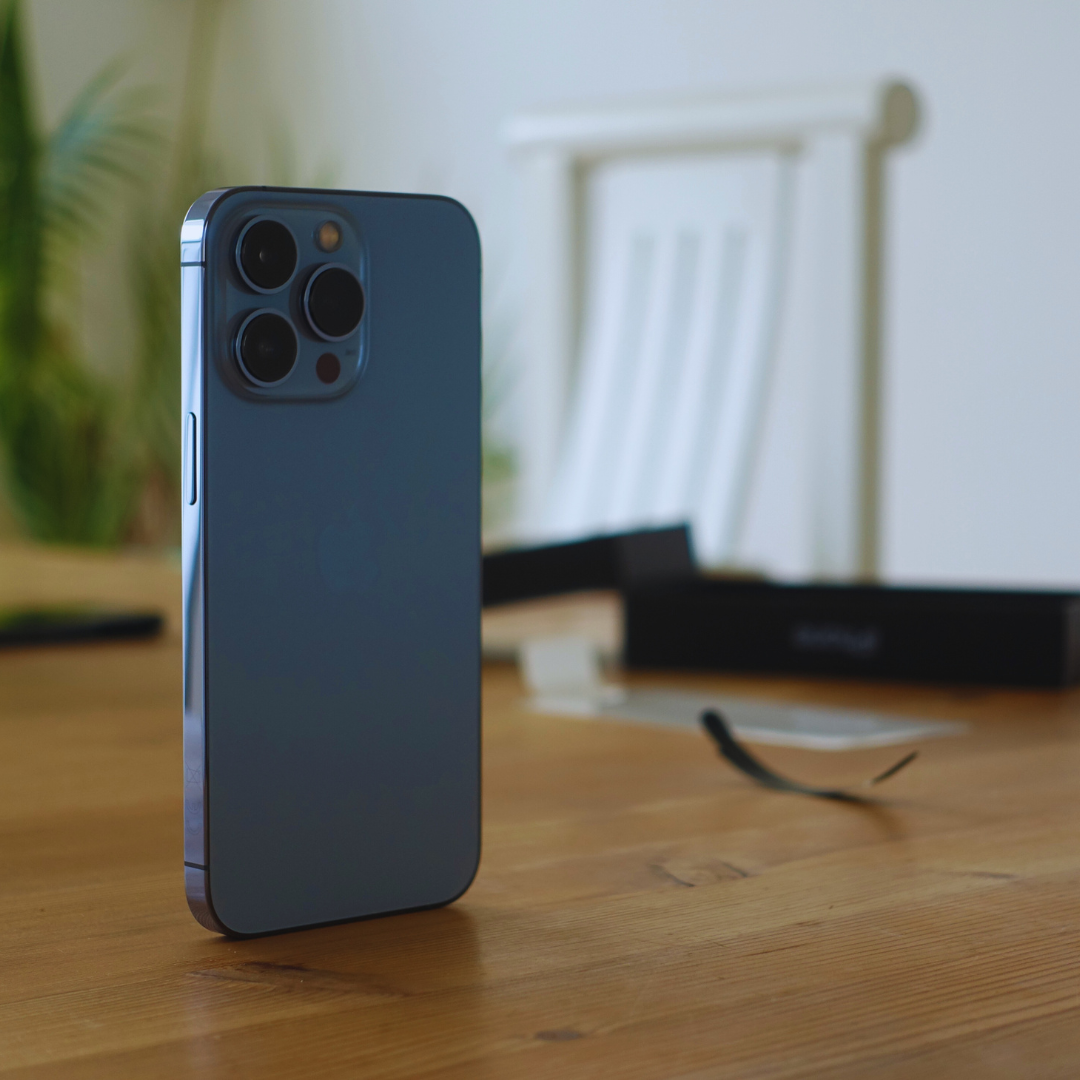
In the past decade, smartphone cameras have transformed significantly, shifting from basic capabilities to advanced photography tools. This evolution has enabled users to capture stunning images that rival traditional cameras, highlighting innovations such as multiple lenses, improved sensors, and sophisticated software algorithms. Each advancement has brought features like low-light performance, portrait modes, and enhanced video recording capabilities to the palms of users’ hands.
This technological leap has shaped how individuals document their lives and express creativity. The integration of artificial intelligence has further refined image processing, making it easier for anyone to take professional-quality photos without extensive knowledge of photography. Additionally, the rise of social media has driven the demand for higher-quality images, prompting manufacturers to continuously innovate.
As consumers become more demanding, manufacturers have responded with increasingly powerful camera systems that continue to evolve. Analyzing this progression not only reveals the state of smartphone technology but also reflects changing societal trends in communication and self-expression.
Milestones in Smartphone Camera Evolution
The evolution of smartphone cameras has been marked by several key milestones that transformed photography. These developments include the introduction of the first camera phone, advancements in megapixel technology, and the emergence of multi-lens systems.
The Sharp J-SH04 and the Dawn of Camera Phones
Released in Japan in 2000, the Sharp J-SH04 was the first camera phone to hit the market. It featured a 0.11-megapixel sensor, which allowed users to capture images directly on their phones. This innovation changed how people viewed photography, making it portable and convenient.
The J-SH04 also paved the way for future designs. Its launch led to the integration of camera technology into smartphones, encouraging manufacturers to prioritize camera quality. This shift enabled users to capture and share moments instantly.
The Megapixel Race and Sensor Advancements
As technology progressed, the megapixel race significantly influenced smartphone cameras. By 2005, cameras began breaking the 1-megapixel barrier, with devices like the Nokia 6670 featuring a 1.3-megapixel sensor.
Advancements in CMOS sensor technology improved image quality and performance in low-light conditions. Manufacturers continuously pushed for higher megapixel counts, resulting in devices boasting up to 108 megapixels, such as the Xiaomi Mi 11. These developments enhanced detail and clarity in photos.
Rise of Multi-Lens Systems
The introduction of multi-lens systems marked another turning point. Early adopters like the Apple iPhone 7 Plus showcased a dual-lens setup that enabled advanced features such as portrait mode and improved zoom capabilities.
Subsequent smartphones incorporated additional lenses for ultra-wide and macro photography. These systems leverage diverse sensor technology to capture a wider range of scenes and provide greater versatility. As a result, photography enthusiasts enjoy more creative options on their devices.
Innovation and Advanced Features
Smartphone cameras have advanced significantly, integrating innovative technologies that enhance photo quality and user experience. Key developments include computational photography, improvements in low-light performance, and sophisticated portrait and macro modes.
Computational Photography and AI Enhancements
Computational photography merges traditional photography with digital techniques. This approach utilizes artificial intelligence and machine learning to enhance image quality.
Smartphone cameras now incorporate scene recognition, allowing devices to identify elements in a scene and apply optimal settings automatically. Features like HDR (High Dynamic Range) combine multiple exposures for better detail in highlights and shadows.
AI enhancements also aid in noise reduction and image stabilization. Software updates continuously improve performance, ensuring that users benefit from cutting-edge capabilities without needing new hardware.
Low Light, Night Mode, and HDR
Low-light photography has seen remarkable enhancements. Night mode features use multiple exposures combined to brighten images while preserving detail.
Advanced sensors and image processing algorithms help maintain clarity and color accuracy in challenging lighting. These technologies allow cameras to capture usable images even in near-darkness.
HDR functionality has evolved to create images with a broader range of tones. It balances bright and dark areas effectively, enabling users to capture visually striking photos across various conditions.
These innovations ensure richer, more dynamic results in low-light scenarios.
Portrait and Macro Photography Trends
Portrait mode has transformed how users capture subjects. It leverages depth mapping and AI to create a natural bokeh effect, focusing on the subject while softly blurring the background.
This feature is ideal for creating professional-looking portraits without expensive equipment. Many smartphones now offer customization options for adjusting background blur intensity.
Macro photography trends have also gained popularity. Smartphones are equipped with specialized lenses for close-up shots, enabling users to capture intricate details previously reserved for DSLR cameras.
These developments provide photographers with versatile tools for creative expression directly from their smartphones.
Modern Hardware and Software Breakthroughs
Recent advances in smartphone camera technology focus on enhancing image quality and user experience. Key developments in optical image stabilization, autofocus systems, zoom capabilities, and augmented reality integration have transformed photography on mobile devices.
Optical Image Stabilization and Autofocus
Optical Image Stabilization (OIS) greatly improves image quality by compensating for camera shake. This technology allows for clearer images, especially in low-light conditions or when shooting video. OIS uses gyroscopic sensors to detect movement and adjust the lens accordingly.
Autofocus systems have also evolved significantly. Modern smartphones often utilize phase detection and laser autofocus for faster and more accurate focusing. This is especially valuable in dynamic environments where subjects are moving. Enhanced lens quality ensures that these systems perform optimally, capturing sharp and detailed images.
Zoom Capabilities and Periscope Lenses
Smartphone camera zoom capabilities have progressed from simple digital zoom to advanced optical systems. Optical zoom allows for higher-quality images by utilizing physical lens movement, rather than just cropping the image.
Periscope lenses represent a breakthrough in zoom technology, enabling significant optical zoom levels while maintaining a slim profile. These lenses utilize a combination of mirrors and multiple lens elements to achieve 5x to 10x optical zoom. This advancement allows users to capture distant subjects with impressive clarity.
Augmented Reality Integration
Augmented Reality (AR) has become an essential feature in modern smartphones, enabled by improved camera systems. High-quality cameras and advanced software allow for the seamless integration of virtual elements into real-world settings.
AR applications leverage camera data to overlay graphics and information, enhancing user interaction. This capability is particularly relevant in gaming, real estate, and educational apps. Robust processing power and camera precision make AR experiences more immersive and engaging for users.
The Impact and Future of Smartphone Photography
Smartphone photography has transformed how people capture and share moments, reshaping both personal and professional photography landscapes. This evolution continues to influence consumer expectations and drive technological advancements within the industry.
Transformation of Mobile Photography
The rise of smartphone cameras has democratized photography. Nearly everyone has access to a capable camera in their pocket, leading to an explosion of images shared on social media platforms.
Recent advancements, such as multi-lens systems and enhanced low-light performance, have significantly improved image quality. Features like AI-driven enhancements allow users to achieve professional-looking results without extensive photographic knowledge.
Users are now empowered to edit and manipulate images using dedicated apps, further exemplifying how mobile photography has transformed creative expression. As smartphone features improve, traditional photography practices are adapting to include these new technologies.
Closing the Gap with Professional Cameras
Smartphone cameras have made substantial progress in closing the gap with professional DSLR and mirrorless cameras. Modern smartphones offer features like optical zoom, variable apertures, and advanced computational photography techniques.
These advancements enable smartphone users to capture images that rival those taken with dedicated cameras. For instance, manufacturers have introduced larger sensors and improved image stabilization, which enhances photo quality in various conditions.
Additionally, the portability of smartphone cameras allows for spontaneous shooting opportunities. This accessibility is invaluable for photographers who require flexibility without compromising on quality. As mobile technology evolves, further innovation is expected, making it an essential tool for photographers of all skill levels.