
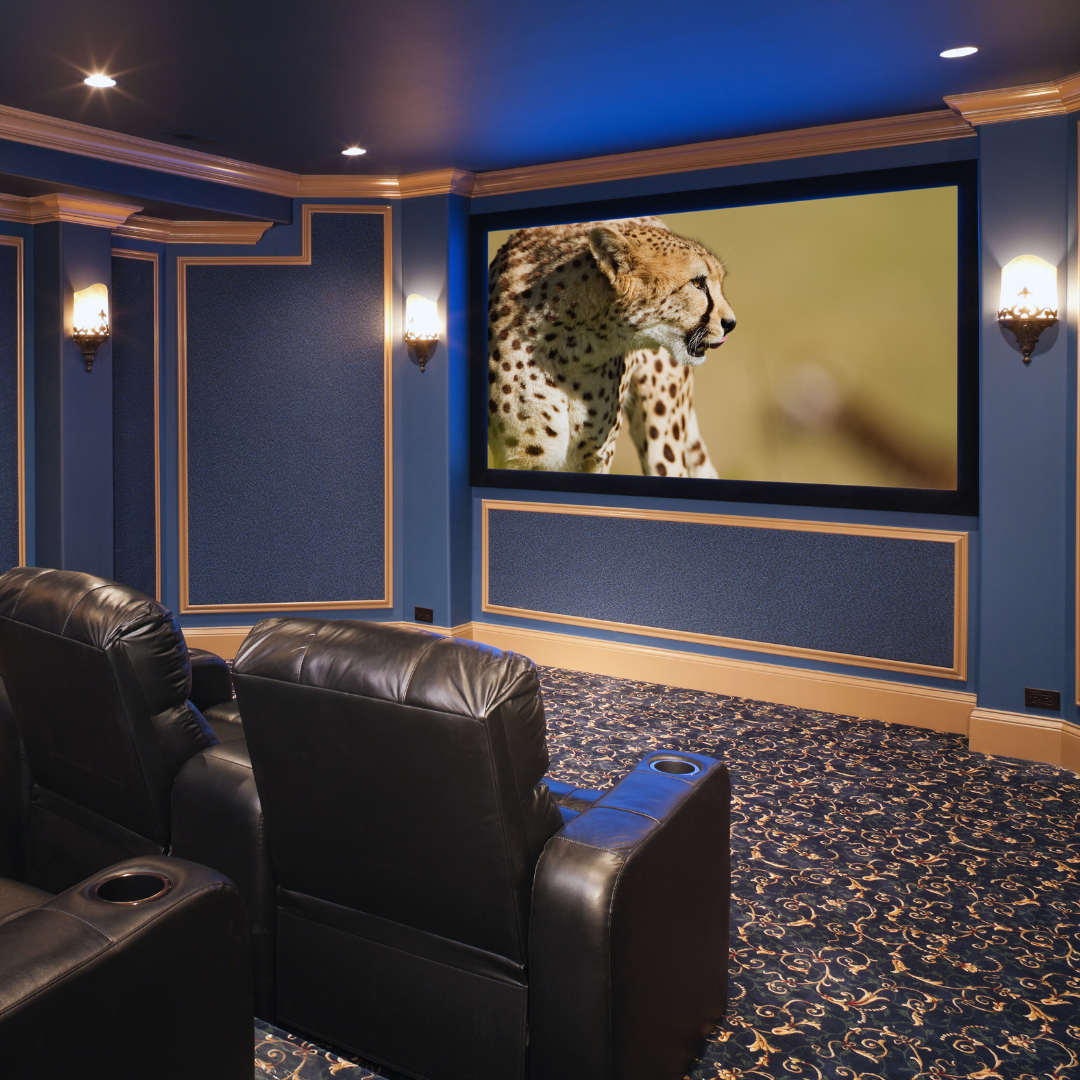
Creating a captivating home theater experience requires more than just a big screen. With the right home theater system, one can transform a living room into an immersive audio-visual environment that rivals the cinema. Investing in a high-quality audio-visual setup is essential for achieving phenomenal sound and picture quality, ensuring every movie night feels like an event.
When choosing a home theater system, features such as surround sound capabilities, picture resolution, and connectivity options play critical roles. It’s important to explore systems that prioritize both audio and visual elements, making every scene more engaging. Selecting the best options on the market can vastly enhance home entertainment and provide the ultimate viewing experience.
From compact systems suitable for smaller spaces to expansive setups for dedicated home theaters, there is a wide array of choices available. By understanding key specifications and what defines true immersion, it becomes possible to elevate any viewing occasion into something exceptional.
Key Features of the Best Home Theater Systems
The best home theater systems combine advanced sound technologies, essential connectivity options, and seamless integration with smart home devices. These features enhance the viewing experience, ensuring clarity and convenience.
Immersive Sound Technologies
Immersive sound technologies play a crucial role in elevating the home theater experience. Systems equipped with Dolby Atmos or DTS provide a three-dimensional audio experience. This allows sound to come from all angles, creating a more realistic atmosphere.
Surround sound configurations, such as 5.1 or 7.1 setups, complement these technologies by adding depth and dimension to audio. High-quality audio components, including subwoofers and satellite speakers, ensure that every sound detail is crisp and clear.
Additionally, many systems now support wireless connectivity, minimizing the need for complex cabling. This feature makes it easier to set up an immersive audio environment without sacrificing aesthetic appeal.
Essential Video and Audio Connectivity
Connectivity options are vital for integrating various video and audio sources seamlessly. HDMI 2.1 is the latest standard, supporting high resolutions up to 8K and higher refresh rates. This is crucial for an immersive viewing experience, especially for gaming and high-definition movies.
Moreover, eARC (Enhanced Audio Return Channel) allows for high-quality audio formats to be transmitted from TVs to sound systems without loss of quality. Compatibility with streaming devices and services is essential, ensuring easy access to a wide range of content.
Additional connections, such as optical and auxiliary inputs, provide versatility for older devices. Support for wireless technologies like Apple AirPlay 2 and Bluetooth enhances connectivity options, allowing users to stream audio from multiple sources comfortably.
Smart Home Integration
Smart home integration adds significant convenience to the home theater experience. Systems that work with Amazon Alexa and Google Assistant allow users to control audio and video settings with simple voice commands. This enhances user convenience and allows for hands-free operation.
Additionally, many advanced systems facilitate compatibility with home automation technologies. Users can program their setups to change settings based on personal preferences or routines, further streamlining the experience.
Integration with smart devices also ensures that firmware updates and new features can be added easily. This future-proofs the system, providing value as technology evolves in home entertainment.
Top Home Theater System Types and Leading Models
Home theater systems enhance the viewing experience through immersive audio and video quality. This section covers popular system types and notable models that cater to various needs and preferences.
All-In-One Surround Sound Packages
All-in-one surround sound packages offer a complete solution for users who seek powerful sound without the hassle of separate components. These systems include speakers, subwoofers, and amplifiers tailored for seamless performance.
A popular choice is the Yamaha YHT-5960U, which features a 5.1 channel configuration and supports Dolby TrueHD and DTS-HD Master Audio. This model delivers dynamic sound with room-filling audio that enhances movies and gaming experiences.
For budget-conscious buyers, the Vizio M-Series provides impressive performance with a wireless subwoofer and built-in sound processing. Users can enjoy clear dialogue and rich bass, making it ideal for streaming services and cinematic content.
Soundbar-Based Systems
Soundbar-based systems are known for their space-saving design while still providing excellent sound quality. These systems often include additional subwoofers and wireless capabilities for a more comprehensive setup.
The Sonos Arc is a standout model that supports both Dolby Atmos and spatial audio, producing a surround sound effect without the need for rear speakers. Its sleek design fits well with modern TV setups.
For a more affordable option, the Samsung HW-Q900A delivers exceptional audio fidelity with integrated subwoofers and support for various audio formats. This soundbar enhances television shows and movies through its advanced sound technology, providing an immersive viewing experience.
AV Receivers with Premium Speakers
AV receivers combined with premium speakers cater to audiophiles who demand versatility and high performance. These systems allow users to customize their home theater setups.
The Denon AVR-X3700H is a notable AV receiver that supports 4K Ultra HD and features multiple HDMI inputs for gaming consoles and streaming devices. It’s advanced room calibration ensures optimal sound quality tailored to individual environments.
Pairing this receiver with high-performance speakers, such as the Klipsch Reference Theater Pack, creates a powerful setup that reproduces cinema-quality audio. This combination provides rich bass and crystal-clear highs, ensuring an engaging audio experience for all types of media.
Choosing the Right System for Your Home
Selecting the appropriate home theater system hinges on several crucial factors. The size, compatibility with the room layout, budget constraints, and potential for future upgrades significantly influence the decision-making process.
Matching System Size to Room Layout
Room size plays a vital role in determining the best system configuration. A smaller room may benefit from a budget home theater system featuring compact speakers and a modest-sized display. In larger spaces, a more expansive speaker configuration, such as 5.1 or 7.1 surround sound, can enhance the immersive experience.
When arranging the setup, consider the viewing distance. For example, a 65-inch screen requires a minimum distance of roughly 8-10 feet for optimal viewing. Sound placement also matters; speakers should be positioned to create a balanced audio field.
Budget Considerations for Home Theater Setups
Establishing a budget helps narrow down options and simplifies the selection process. Home theater systems vary widely in price. A basic setup may start around $500, while high-end options can exceed $5,000.
When evaluating products, focus on essential components: the display, audio system, and streaming capabilities. Look for features such as ALLM (Auto Low Latency Mode) and VRR (Variable Refresh Rate), which enhance both cinematic and gaming experiences. A quality receiver could be worth the investment, providing connectivity and customization options.
Upgrading and Expanding Your System
Future-proofing is crucial for any home theater enthusiast. Starting with a flexible foundation allows for easier upgrades. Choose systems that support additional speakers or multi-room setups.
Consider modular speaker systems that facilitate expansion. This option allows users to enhance audio quality over time without replacing the entire setup. Additionally, HDMI connections should be future-ready, accommodating new technology advancements as they arise, ensuring longevity for the investment.