
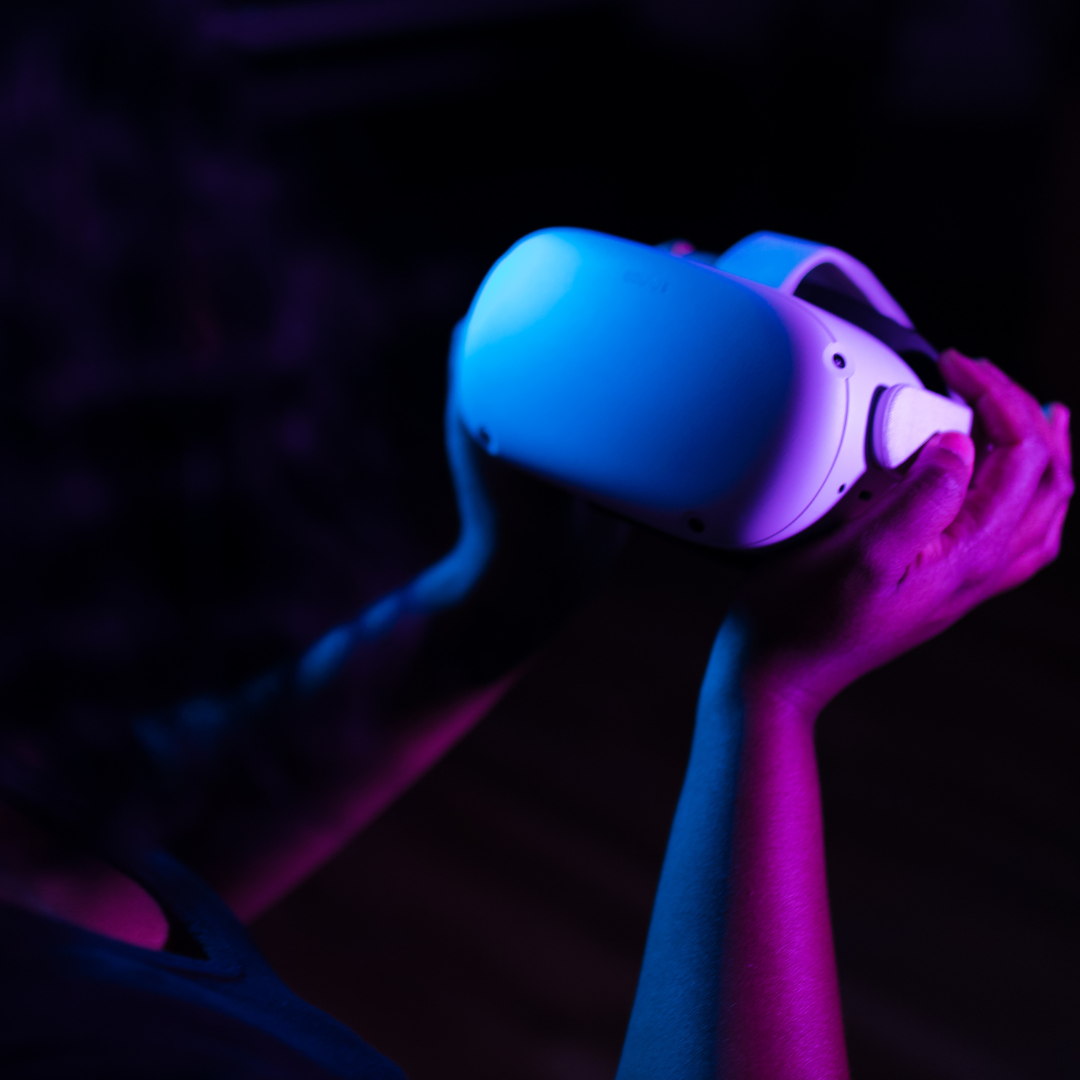
The world of virtual reality continues to evolve rapidly, with new headsets emerging that promise to enhance the user experience significantly. Enthusiasts and newcomers alike are eager to explore the latest innovations in VR technology. This review will highlight the most notable features and improvements of the latest VR headsets currently available on the market.
With advancements in display technology, tracking capabilities, and ergonomic design, the latest headsets offer immersive experiences like never before. Buyers now face a plethora of options, making it essential to understand which features matter most for different types of users. From casual gamers to professional developers, there’s a headset designed to meet various needs.
As the demand for virtual reality grows, knowing the strengths and weaknesses of each new model is vital. This review aims to guide readers through their choices, ensuring they find the best VR headset to suit their preferences and lifestyle.
Overview of the Latest VR Headsets
The latest VR headsets introduce significant advancements in technology, enhancing user experience in virtual environments. Innovations focus on display quality, tracking capabilities, and overall performance.
Key Features and Innovations
Modern VR headsets boast enhanced display resolutions, often exceeding 4K, delivering sharper visuals. This improves clarity, making immersive experiences more compelling.
Many headsets now include advanced tracking systems, utilizing inside-out tracking for greater precision without the need for external sensors. This feature increases mobility and allows for more intuitive interaction in virtual spaces.
Additionally, there is a growing focus on comfort. New designs incorporate lighter materials and improved ergonomics, which facilitate longer gaming sessions without discomfort.
Wireless capabilities have also become a standard feature, freeing users from restrictive cables and enhancing the sense of immersion.
Hardware and Performance
The latest VR headsets are equipped with powerful processors, improving load times and frame rates. High refresh rates of up to 120Hz provide smoother visuals, reducing motion sickness for users.
Graphics processing units (GPUs) in these devices support more realistic lighting and textures, creating lifelike environments.
Moreover, audio quality is becoming a crucial factor, with spatial audio systems integrated into many headsets for a more immersive sound experience. This technology helps users perceive directionality and distance in virtual worlds.
Battery life is also improving, with some models allowing for several hours of continuous gameplay. This longevity caters to a growing demand for extended immersive experiences.
In-Depth Comparison of Popular Models
The VR headset market has several notable models, each offering unique features that cater to different preferences. A detailed look at these headsets reveals their strengths, helping users make an informed decision.
Meta Quest 3 vs Meta Quest 3S
The Meta Quest 3 provides an immersive experience with a higher resolution display and improved processing power compared to its predecessor. Equipped with advanced hand tracking and enhanced audio, it appeals to both gamers and developers.
In contrast, the Meta Quest 3S focuses on affordability without sacrificing essential features. While it offers a slightly lower resolution, it still delivers robust performance for casual users. Both models enable wireless gameplay, with the 3S being a more budget-friendly option.
Key Differences:
- Resolution: Quest 3 boasts 2064 x 2208 per eye, while Quest 3S offers a modest 1832 x 1920.
- Price: Quest 3 is positioned at a premium price point, whereas Quest 3S appeals to budget-conscious consumers.
Valve Index vs PlayStation VR
The Valve Index is recognized for its superior build quality and precise tracking capabilities, making it ideal for hardcore gamers. It features a high refresh rate of up to 144Hz, resulting in smoother gameplay. The Index controllers, with finger tracking, enhance user interactivity.
On the other hand, PlayStation VR targets console gamers. It’s more accessible due to compatibility with the PlayStation ecosystem. While it underperforms in terms of visual fidelity compared to the Index, its library of exclusive games remains a significant draw.
Comparison Points:
- Field of View: Valve Index offers a wider field of view at 130 degrees compared to PSVR’s 100 degrees.
- Price: The Index comes at a higher price, reflecting its premium features.
Apple Vision Pro and Meta Quest Pro
The Apple Vision Pro sets a new standard in mixed reality. Its dual 4K displays and spatial audio create an unparalleled immersive experience. The headset’s design focuses on aesthetics while offering seamless integration with Apple products.
Conversely, the Meta Quest Pro is designed for professional use, incorporating features that enhance productivity. Its advanced display and eye-tracking capabilities make it suitable for enterprise applications and VR meetings.
Highlight Differences:
- Target Audience: Vision Pro is aimed at high-end consumers and developers; Quest Pro targets businesses and professionals.
- Ecosystem: Apple Vision Pro integrates into the Apple ecosystem, while Quest Pro provides a more versatile layout for diverse applications.
User Experience and Comfort
User experience and comfort are critical factors in the performance of VR headsets. Ergonomics and comfort during extended use significantly influence user satisfaction and overall enjoyment.
Ergonomics and Wearability
The latest VR headsets feature enhanced ergonomics aimed at providing a better fit for various head shapes and sizes. Many models include adjustable straps, padding, and weight distribution systems designed to minimize pressure points.
The use of lightweight materials reduces user fatigue during sessions. Models like the Meta Quest Pro and Valve Index have made strides in this area, boasting features that accommodate long-term wear without compromising stability.
Additionally, the angles and positioning of lenses can be adjusted for individual preferences, ensuring a more tailored experience that aids in immersion.
Comfort During Extended Use
Extended use of VR headsets can lead to discomfort if not properly addressed. Manufacturers have incorporated breathable materials in padding to prevent overheating and sweating, which improves user satisfaction.
Models such as the HP Reverb G2 offer adjustable lens distances that help reduce eye strain, making longer gaming sessions more enjoyable.
Furthermore, some headsets now feature integrated audio systems that eliminate the need for additional headphones, reducing weight and enhancing comfort during prolonged gameplay.
These advancements contribute to an immersive experience, keeping users engaged without the distraction of discomfort.
Applications, Ecosystem, and Future Trends
The latest VR headsets are not only revolutionizing gaming but also transforming social interactions and experiences. This section explores their roles in gaming, social environments like the metaverse, and compatibility with existing technologies.
Gaming and Entertainment Integration
VR headsets significantly enhance gaming experiences by immersing players in 3D worlds. Popular games such as Half-Life: Alyx and Beat Saber demonstrate how VR can create engaging environments that traditional gaming can’t match.
Integration with high-performance gaming PCs is essential. Users need powerful GPUs to render graphics smoothly. Many VR platforms also offer cross-play capabilities, enabling users to join multiplayer experiences with others across various devices.
The popularity of VR games is growing steadily, supported by platforms like SteamVR and the Oculus Store. Regular software updates and new game releases keep the ecosystem vibrant.
The Metaverse and Social Experiences
The concept of the metaverse is expanding, with VR headsets playing a critical role. Platforms like VRChat allow users to create avatars and socialize in virtual spaces, enhancing the feeling of presence.
Events such as concerts and conferences are increasingly hosted in the metaverse. Users can attend from anywhere in the world, opening up new possibilities for engagement and interaction.
The future of social experiences in VR is set to evolve with advancements in technology. Enhanced connectivity and improved graphics will create more realistic environments for socializing, collaboration, and entertainment.
Hardware Compatibility and Setup Requirements
Compatibility is a crucial aspect of the VR experience. Most modern VR headsets require a gaming PC with specific hardware benchmarks to operate effectively.
Key components include a powerful GPU, sufficient RAM, and a fast processor. Many headsets also offer standalone modes, providing greater flexibility for users without a gaming PC.
Setting up a VR system usually involves configuring sensors and ensuring adequate space for movement. Clear instructions and user-friendly interfaces are essential in simplifying this process for consumers.