
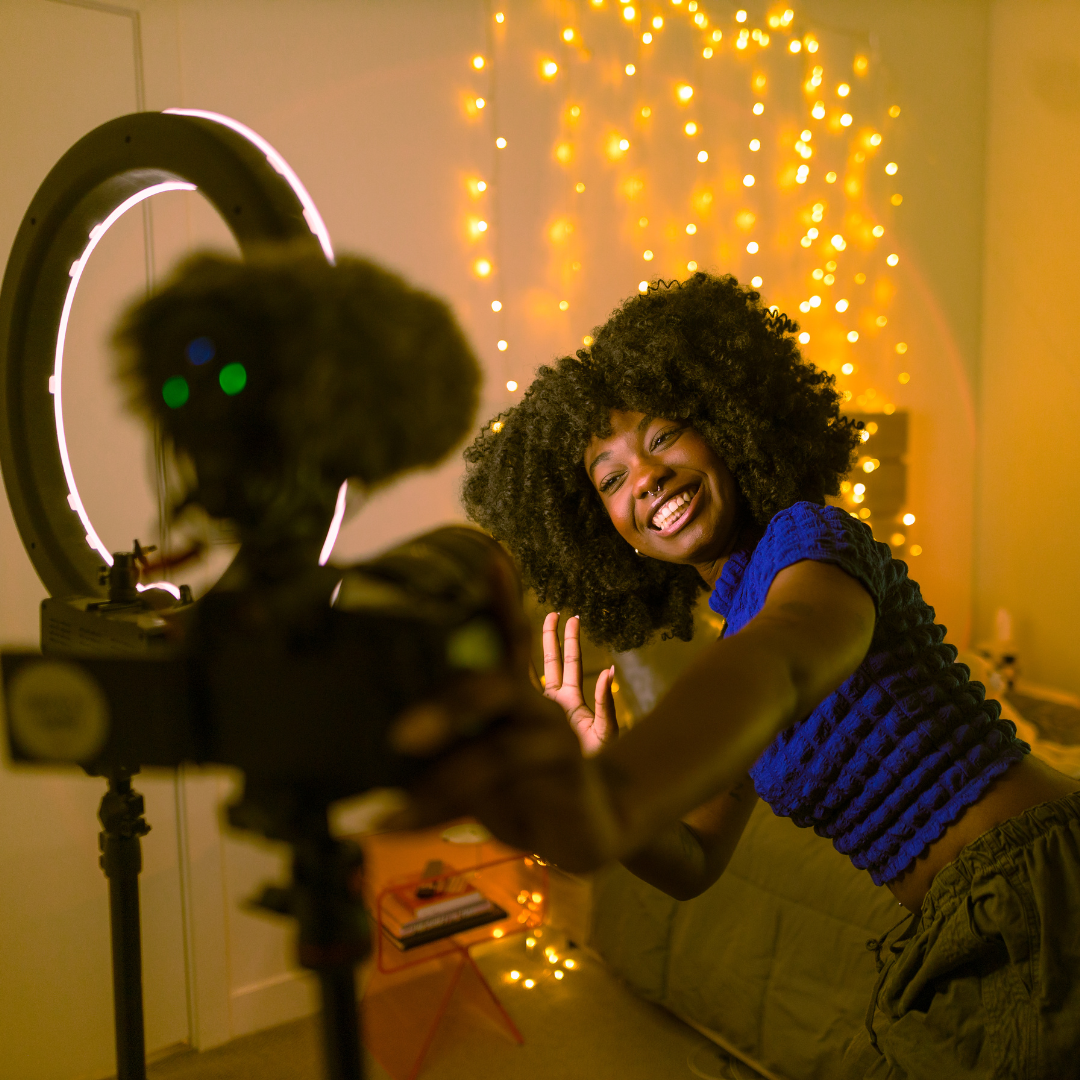
Choosing the right camera for vlogging can greatly impact content quality and audience engagement. With numerous options available, it’s essential to consider factors such as video quality, portability, and user-friendliness. A versatile camera that shoots in at least 1080p with good audio capabilities is key to creating professional-looking vlogs.
Aspiring vloggers should assess their specific needs and filming environments. For instance, a lightweight camera with stabilizing features is ideal for creators who film on the go, while those focused on studio settings may prioritize higher resolution and advanced editing capabilities.
Budget also plays a critical role in the decision-making process. It’s possible to find excellent options at various price points, but understanding what features truly matter can help them make an informed choice without overspending.
Key Features to Look for in a Vlogging Camera
Selecting the right camera for vlogging involves assessing various features crucial for high-quality content creation. Important aspects include video and image quality, effective autofocus and stabilization, superior audio quality, and performance in low-light conditions.
Video and Image Quality
For vlogging, video and image quality are crucial. A minimum of 1080p video resolution is advisable, while 4K is preferred for those wanting the best clarity. Look for cameras with a high bit rate, as this affects the final output’s detail.
Dynamic range is also significant, enabling vibrant colors and improved shadows. Cameras with larger sensors typically yield better image quality, especially in challenging lighting scenarios. Image quality is further enhanced by various settings like frame rate, allowing content creators to adjust based on their specific needs.
Autofocus and Stabilization
Reliable autofocus is vital for vlogging, ensuring subjects remain in focus even during movement. Fast and accurate autofocus systems, like phase detection, offer an edge for dynamic scenes. Look for cameras with continuous autofocus that adapts as the vlogger moves.
Stabilization features are equally important. Optical image stabilization (OIS) is beneficial for handheld shooting. Additionally, electronic stabilization can smooth out shaky footage. Some cameras offer advanced stabilization modes, ideal for action-oriented vlogging or when shooting on the move.
Audio Quality and Microphone Options
Audio quality is as important as video quality for effective vlogging. Built-in microphones can be convenient, but they often lack clarity. Choosing cameras with an external microphone input allows for significant upgrades in audio capture.
Consider options like shotgun mics or lavalier mics for better sound. Look for cameras with windshields or specific audio settings that enhance recording in noisy environments. Clear audio attracts and retains viewers, making it vital for engagement.
Low-Light Performance and Sensor Size
Low-light performance significantly impacts video quality, particularly in poorly lit settings. Cameras with larger sensors, such as full-frame or APS-C sensors, typically offer better performance in low-light conditions. They can capture more light, resulting in less noise and clearer images.
Features like high ISO capabilities also matter; a camera that handles higher ISO levels will maintain quality in dimly lit environments. Advanced image processing can further improve noise reduction, making it easier to produce quality content regardless of lighting situations.
Comparing Popular Vlogging Camera Types
Different camera types cater to various vlogging styles and preferences. Understanding the strengths and weaknesses of each can help in making an informed choice that best suits a vlogger’s needs.
Mirrorless Cameras and DSLRs
Mirrorless and DSLR cameras provide superior image quality and versatility. Mirrorless cameras, such as the Sony A7 series, are compact and lightweight, making them ideal for travel vlogging. They typically feature fast autofocus systems, which are crucial for capturing dynamic scenes.
DSLRs, like the Canon EOS series, offer excellent battery life and extensive lens options. However, they are bulkier and heavier than mirrorless options, which may impact portability. Both types support external microphones and have variable frame rates, important for enhancing audio and video quality.
| Feature | Mirrorless Cameras | DSLRs |
| Weight | Lighter | Heavier |
| Autofocus | Fast | Reliable, but slower |
| Battery Life | Shorter | Longer |
| Lens Options | Wide, interchangeable | Extensive, interchangeable |
Compact and Point-and-Shoot Cameras
Compact and point-and-shoot cameras offer ease of use and portability. Models like the Canon G7X Mark III are favored for vlogging due to their lightweight design and decent video quality. They usually come with built-in stabilization, which helps in producing smooth footage.
These cameras may lack the advanced features of DSLRs and mirrorless options, but they often excel in automated settings. Their compact nature allows for quick shooting, making them suitable for spontaneous vlogs where setup time is minimal.
Key considerations include sensor size and low-light performance. Often, these cameras work best in well-lit conditions, so lighting is a crucial factor in achieving optimal video quality.
Action Cameras and 360 Cameras
Action cameras, such as the GoPro Hero series, are tailored for capturing high-action scenes. They are durable, waterproof, and often equipped with advanced stabilization features. This makes them ideal for outdoor and adventurous vlogs.
360 cameras, like the Insta360 X4, capture immersive footage by recording everything around them. This can create engaging content for viewers but may require additional post-production editing to showcase the 360 experience effectively.
These cameras typically have a wide-angle lens, providing a unique perspective. They also offer easy connectivity for live streaming, appealing to content creators focused on real-time interaction with their audience.
Smartphones as Vlog Cameras
Smartphones have emerged as powerful vlogging tools. High-end models, such as the latest iPhone, come with advanced camera systems and editing capabilities. They feature multiple lenses, excellent low-light performance, and built-in stabilization.
The convenience of smartphones lies in their portability and multifunctional use. Many vloggers utilize them for quick, unscripted content or when equipment storage is limited. Various apps enhance video quality and provide editing tools that can be used on the go.
Moreover, smartphones often integrate easily with social media platforms, making them ideal for sharing content instantly. This immediacy can be a significant advantage for vloggers looking to maintain engagement with their audience.
Essential Accessories and Features for Content Creation
When selecting a camera for vlogging, understanding the essential accessories and features can significantly enhance the quality of content. Focus on lenses, stabilization tools, and audio-visual equipment to create professional-looking videos.
Lenses and Focal Length Options
Interchangeable lenses give vlogging creators the versatility to capture different scenes and perspectives. A wide-angle lens is particularly valuable for capturing expansive backgrounds and fitting more into the frame, making it ideal for travel or outdoor vlogging.
Focal length also plays a critical role. Short focal lengths (e.g., 10-24mm) are great for selfies or capturing large environments. In contrast, longer focal lengths (e.g., 50mm and above) are suitable for portrait-style shots and achieving a blurred background effect. Understanding these options allows the creator to select the perfect lens for their content needs.
Tripods and Stabilizers
To achieve steady shots, investing in a quality tripod or stabilizer is crucial. A sturdy tripod helps maintain stability during stationary shots. Look for models that offer adjustable heights and flexibility for various shooting angles.
For dynamic shooting, a gimbal stabilizer is essential. It counteracts movements while moving, ensuring smooth footage. Consider compact models that are lightweight and easy to transport. This equipment is vital for anyone seeking to elevate their video quality, especially during live-action vlogs.
Lighting and Audio Enhancements
Good lighting can transform video quality. External lights, such as LED panels or ring lights, ensure even brightness and minimize shadows. Creators should focus on adjustable lights to accommodate different shooting environments.
Audio quality is equally important. Using an external microphone enhances sound clarity, capturing voices more clearly than built-in options. Look for shotgun or lavalier microphones that suit the vlogging environment. Investing in these elements ensures that viewers experience a polished standard of content.
Choosing a Camera for Your Vlogging Platform and Style
Selecting the right camera involves understanding the specific needs of the platform and style of content. Different platforms have unique requirements, and recognizing these can help pinpoint the most suitable camera options.
Content Creation Needs for YouTube and Instagram
For YouTube, a camera that offers high-quality video is essential. A minimum of 1080p resolution is standard, while 4K is becoming increasingly popular for professional-grade vlogs.
Key features to look for:
- User-friendly design: A camera with an intuitive interface aids in quick adjustments during filming.
- Video stabilization: This is crucial for handheld shooting, reducing shaky footage.
- Quality audio input: External microphones enhance sound quality, an important aspect of storytelling.
On Instagram, aesthetic appeal matters. A camera with strong color performance and good low-light capabilities helps in achieving visually impactful content.
Optimizing for TikTok and Social Media
TikTok demands quick, engaging formats, often requiring fast edits and shorter content. Cameras that support vertical video shooting are advantageous.
Important specifications to consider:
- Compact size and portability: Lightweight cameras are easier to carry, making spontaneous shoots possible.
- Instant sharing capabilities: Wireless features facilitate quick uploads to social media platforms.
- Good autofocus: Fast and reliable autofocus ensures subjects remain sharp, which is vital in dynamic environments.
Cameras that cater to these specific needs can enhance vlogging efficiency on TikTok and similar platforms.
Specialty Features for POV Shots and Portability
When shooting POV (point-of-view) shots, using action cameras or cameras with wide-angle lenses can provide immersive perspectives. These cameras are often built for durability and are user-friendly.
Consider these aspects:
- Lightweight design: Facilitates extended use without fatigue.
- Mounting options: Versatile shooting angles are achievable with a variety of mounts.
- Weather resistance: Important for outdoor vlogs where conditions might be unpredictable.
Portability is essential for creators on the go. The right camera allows filming in diverse locations without hassle, making spontaneous vlogging easier.